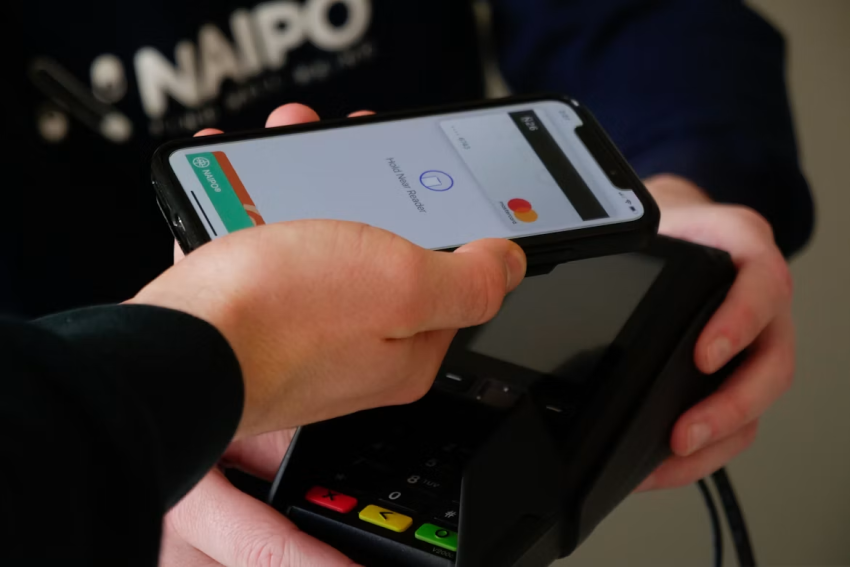
The Philippines Is Becoming a More Digital Payment Economy
Walking into a convenience store in Metro Manila, paying for coffee in Cebu, or buying snacks from a small shop in Davao increasingly comes with a familiar choice: cash or digital payment. Across the Philippines, digital transactions are becoming a normal part of everyday commerce as consumers, merchants, banks, fintech companies, and telecommunications providers continue moving toward a more connected payment environment.
The growth of digital payments is not simply about replacing physical cash with smartphones. It is also changing the technology used by businesses to accept, process, and manage transactions. QR payments, mobile wallets, contactless cards, online banking, and point-of-sale systems are becoming increasingly interconnected.
For Filipino consumers, convenience is one of the biggest attractions. A customer can scan a QR code, open a mobile wallet, confirm a payment, and complete a purchase without taking out cash. For businesses, digital payments can simplify transaction records and reduce some of the challenges associated with handling physical money.
This transformation is particularly important in a country where millions of consumers interact with both traditional neighborhood businesses and rapidly expanding digital services.
Mobile Wallets Are Changing Everyday Shopping
One of the most visible signs of the Philippines’ digital payment transformation is the popularity of mobile wallets.
Services such as GCash and other digital financial platforms have become part of the daily routines of many Filipinos. Users can pay bills, transfer money, shop online, purchase services, and make payments at physical stores through their phones.
For younger consumers who are already comfortable with smartphones, scanning a QR code can feel more natural than counting cash. At the same time, digital payment options are increasingly appearing in small businesses, restaurants, transport-related services, convenience stores, and local retailers.
The appeal is particularly strong when speed matters. A customer waiting in a busy food outlet does not necessarily want to search through a wallet for exact change. A quick QR transaction can shorten the payment process and allow the next customer to move forward.
However, the development of digital payments also depends on the hardware supporting transactions behind the scenes.
POS Machines Are Becoming More Connected
Modern point-of-sale equipment is no longer simply a cash register with a card reader attached.
Today’s POS systems can include touchscreens, barcode scanners, receipt printers, payment terminals, wireless connectivity, and software for inventory or sales management. Some systems can support multiple payment methods within one device.
For Filipino merchants, this flexibility can be particularly useful. A single customer may want to pay using a bank card, a mobile wallet, or a QR-based service. Merchants therefore need equipment capable of handling different transaction environments without creating unnecessary complexity.
Portability is also becoming important. Restaurants, pop-up stores, delivery businesses, market vendors, and temporary retail locations may need payment equipment that can operate away from a fixed counter.
This is where battery performance becomes an important part of the digital payment experience. A payment terminal may be highly capable, but if its battery cannot last through a busy working day, the convenience of a wireless payment system can quickly disappear.
Reliable POS terminals & machines battery solutions therefore play a practical role in keeping portable payment equipment available when merchants need it most.
Why Battery Life Matters for Philippine Merchants
A POS terminal may process hundreds of transactions during a busy day. Every payment requires the device to remain powered, connected, and ready for the next customer.
For a small retailer, an unexpected shutdown can be more than a minor inconvenience. It can interrupt sales, create queues, and force employees to switch to another payment method.
Battery performance is especially relevant for merchants operating in environments where access to electrical outlets is limited. Outdoor markets, mobile vendors, temporary event booths, transport-related businesses, and delivery operations may depend heavily on portable equipment.
Heat is another consideration in the Philippine environment. Devices used for long periods in warm conditions can face additional operating challenges. Merchants therefore have good reason to pay attention not only to battery capacity but also to charging behavior, operating conditions, device compatibility, and overall battery quality.
As digital payments become more common, these seemingly small hardware details become part of a much larger digital commerce ecosystem.
QR Payments Make Digital Transactions More Accessible
One reason digital payments can expand quickly is that QR technology can reduce the need for complicated physical infrastructure.
A merchant can display a QR code at a counter, while customers use their smartphones to complete transactions. This model can be particularly attractive to smaller businesses that may not require a sophisticated traditional checkout system.
QR payments can also work alongside POS hardware rather than replacing it completely.
A modern retail environment might therefore include a POS machine, barcode scanner, receipt printer, card reader, and QR payment option. The combination allows merchants to accommodate different customer preferences.
For consumers, this creates a more flexible payment experience. For businesses, it can provide more ways to complete sales.
The challenge is making sure all of these technologies remain reliable during the busiest periods of the day.
The Rise of Digital Payments Does Not Mean Cash Is Disappearing
Despite the rapid growth of digital transactions, cash remains an important part of Philippine commerce.
The country has a large and diverse retail environment ranging from major shopping malls to small sari-sari stores. Not every business has the same access to internet connectivity, banking services, or digital payment infrastructure.
This means the Philippine payment ecosystem is likely to remain mixed for some time.
A customer might use a mobile wallet for an online purchase in the morning, pay with a card at a shopping mall in the afternoon, and use cash at a neighborhood store in the evening.
This hybrid environment creates a unique opportunity for payment technology providers. Devices need to support multiple payment methods while remaining affordable and easy to operate.
For merchants, the ideal POS system is not necessarily the most technologically complicated one. It is the system that works consistently, processes transactions efficiently, and fits the realities of the business.
Battery Technology Becomes Part of the Retail Experience
When consumers think about digital payments, they usually focus on apps, QR codes, bank accounts, or transaction confirmation screens. Batteries rarely come to mind.
Yet the battery is one of the components that can determine whether a portable payment device is available when a transaction occurs.
Imagine a busy restaurant during lunch. Customers are waiting, staff members are moving between tables, and payment terminals are being used continuously. If a wireless terminal suddenly loses power, employees may need to find a charger or switch customers to another payment method.
The same issue can arise for delivery workers or mobile sellers who operate throughout the day.
A dependable POS terminals & machines battery can help payment equipment remain operational during extended periods of use, particularly when merchants rely on mobile terminals rather than permanently connected machines.
Battery replacement and maintenance also become increasingly relevant as payment equipment remains in service for years. A terminal does not necessarily need to be discarded simply because its original battery has lost capacity. Depending on the device design and manufacturer specifications, a suitable replacement can potentially extend its useful operating life.
Digital Payments and the Philippine Small Business Economy
Small and medium-sized businesses are central to the Philippine economy, and their adoption of digital payment tools can influence how quickly the country’s broader digital commerce ecosystem develops.
For a small restaurant, accepting digital payments can make transactions more convenient for customers. For a retailer, electronic transaction records can simplify parts of daily sales management. For a service provider, mobile payment options can make collecting payments easier.
The benefits become even more apparent when payment technology connects with other business tools.
Modern POS platforms can potentially integrate payment processing with inventory management, sales reporting, product databases, and customer information. Instead of treating payment as an isolated activity, businesses can use it as one component of a broader digital management system.
That trend creates new opportunities for hardware manufacturers and technology providers serving the Philippine market.
Connectivity Remains a Key Piece of the Puzzle
Digital payment growth depends on more than smartphones and payment terminals. Connectivity is equally important.
The Philippines’ geography creates unique challenges for telecommunications and digital infrastructure. The country consists of thousands of islands, and internet access can vary significantly between urban centers and more remote communities.
As connectivity improves, more businesses can participate in digital commerce. But payment devices still need to function effectively in real-world environments where network conditions can change.
This makes offline capabilities, connection stability, battery endurance, and device reliability important considerations for merchants.
A payment terminal that combines dependable wireless connectivity with strong battery performance can provide greater flexibility for businesses that are not tied to a single checkout counter.
What the Next Generation of POS Devices Could Look Like
The next stage of payment technology may involve smaller, smarter, and more multifunctional devices.
Instead of simply accepting payments, future POS equipment could combine payment processing, inventory management, customer engagement, digital receipts, loyalty programs, and business analytics.
Artificial intelligence could also become more relevant. Retail systems may eventually use AI to identify purchasing patterns, predict inventory needs, or provide merchants with more detailed sales insights.
But increasingly sophisticated hardware will also place greater demands on batteries.
Larger displays, faster processors, wireless connectivity, cameras, scanners, and other components can all affect power consumption. Manufacturers will therefore need to balance performance with energy efficiency.
For merchants, this means battery capacity alone may not tell the entire story. Charging speed, battery longevity, energy management, and compatibility with the payment device can all influence the overall user experience.
A Reliable Payment Experience Starts Behind the Screen
The growth of digital payments in the Philippines is often described through impressive transaction numbers and the rapid adoption of mobile wallets. But behind every successful digital transaction is a network of hardware and software working together.
Smartphones need power. Networks need connectivity. Payment servers need to process transactions. Merchants need reliable POS equipment. And portable terminals need batteries capable of supporting repeated daily use.
This is why the role of the POS terminals & machines battery deserves more attention as Philippine businesses continue adopting digital payment technology.
A battery may be a small component, but its impact can be surprisingly large. When the payment device works, the transaction can take only seconds. When the device loses power at the wrong moment, an otherwise seamless digital experience can suddenly become complicated.
The Philippines’ Cashless Future Will Be Built on Many Technologies
The country’s digital payment transformation is not being driven by one company, one app, or one type of device. It is the result of multiple technologies developing together.
Mobile wallets are making digital transactions more accessible. QR payments are giving businesses another way to accept money. Banks are expanding digital services. Telecommunications companies are improving connectivity. POS manufacturers are developing more flexible hardware.
At the same time, Filipino merchants are adapting these technologies to real-world business needs.
As digital payments continue to become part of everyday commerce, reliability will matter just as much as innovation. The payment system needs to work not only in a modern shopping mall but also in a small neighborhood store, a restaurant, a market stall, or a mobile business.
That is why seemingly simple components such as batteries can become strategically important. A durable and compatible POS terminals & machines battery can help keep payment devices operating throughout the working day, supporting the wider infrastructure behind the Philippines’ rapidly evolving digital economy.
The future of payments in the Philippines will likely involve more smartphones, more QR transactions, more connected POS systems, and increasingly intelligent financial technology. But regardless of how advanced the software becomes, the basic requirement will remain the same: when a customer is ready to pay, the technology needs to be ready too.