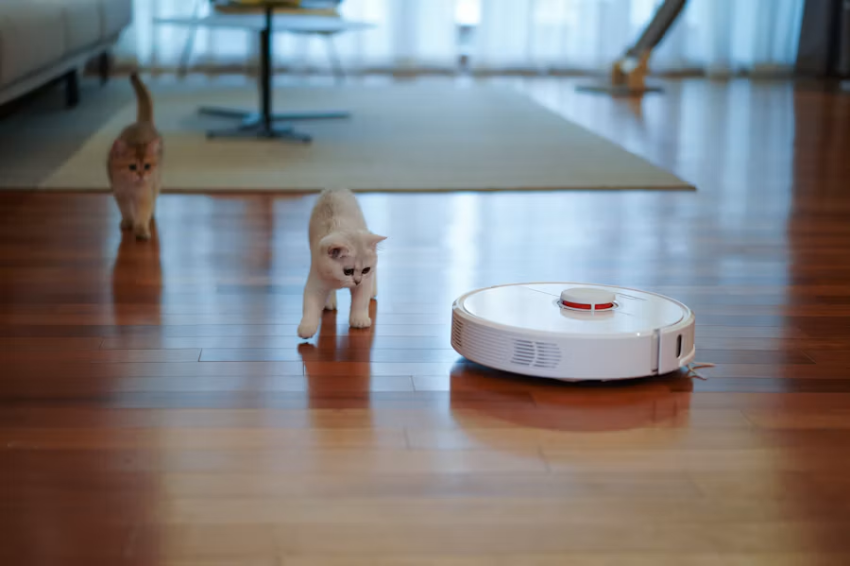
Why Robot Vacuums Are Attracting Attention in the Philippines
Robot vacuums are becoming an appealing option for households looking to spend less time sweeping and more time enjoying their homes. In the Philippines, where busy work schedules, urban living, tropical weather, and pet ownership all influence household routines, automated cleaning devices offer an interesting combination of convenience and practical technology.
From condominium units in Metro Manila to family homes in Cebu and Davao, people have different cleaning challenges. Some deal with dust entering through open windows, while others struggle with pet hair, crumbs, and dirt brought indoors after rainy commutes. For households with limited free time, a robot vacuum promises a simpler way to maintain everyday cleanliness.
However, the Philippine home environment also presents a realistic test for these devices. Warm weather, seasonal rain, tiled floors, narrow spaces, raised doorways, and occasional power interruptions can all influence the performance of an automated cleaner. A robot vacuum that works well in a showroom may deliver a different experience in a busy family home.
The key question is no longer simply whether a robot vacuum can move around a room. Filipino consumers increasingly need to understand how well it handles everyday messes, how much maintenance it requires, and whether its long-term operating costs justify the initial purchase.
Tropical Weather Creates Different Cleaning Challenges
The Philippines experiences a tropical climate, with warm conditions throughout much of the year and periods of heavy rainfall. These environmental factors can affect how frequently households need to clean their floors.
During dry periods, dust and fine particles may accumulate around windows, entrances, and furniture. When household members return from work, school, or outdoor activities, small particles can easily travel indoors on shoes, bags, and clothing.
Rainy weather introduces another problem. Wet footwear can leave marks near entrances, while damp conditions may encourage households to pay closer attention to floor hygiene. A robot vacuum can collect dry dirt and loose debris, but it should not be expected to remove every wet footprint or replace proper mopping.
Many Filipino homes also use ceramic or porcelain tiles because they are practical in warm weather and relatively easy to maintain. These smooth surfaces are generally suitable for robot vacuums, although grout lines, textured tiles, and uneven transitions can affect how effectively some models collect debris.
Households should therefore consider their actual flooring rather than relying exclusively on manufacturer demonstrations. A model designed for smooth floors may perform differently on thick rugs, rough surfaces, or uneven thresholds.
For apartments and smaller homes, a compact robot vacuum may be sufficient for daily maintenance. Larger houses with multiple rooms may benefit from longer operating times, room mapping, and the ability to resume cleaning after recharging.
Pet Hair Is a Major Test for Automated Cleaning
For Filipino families living with cats and dogs, pet hair can be one of the strongest reasons to consider a robot vacuum. Hair gathers around sofa legs, underneath beds, along walls, and in corners that are difficult to reach during quick daily cleaning sessions.
Short-haired pets can still shed enough fur to create visible accumulations, particularly in homes where animals spend most of their time indoors. Long-haired pets may create additional challenges because their fur can become tangled around brush rollers.
A robot vacuum with an effective brush system, suitable suction power, and an accessible dustbin can help collect loose hair before it spreads throughout the home. However, performance depends on the amount of fur, the type of flooring, the shape of furniture, and how frequently the device runs.
Owners should also examine the brush design before purchasing. Some models use rubber rollers that can be easier to maintain, while others rely on bristle brushes that may require more frequent hair removal. Neither design eliminates maintenance entirely.
The dustbin matters as well. A small container may fill quickly in a home with several pets, forcing the owner to empty it after every cleaning session. A self-emptying docking station can reduce this task, although it increases the purchase price and may require replacement bags or additional cleaning supplies.
Pet owners should remember that robot vacuums are intended to collect loose debris from floors. They do not replace grooming, upholstery cleaning, or regular care for pet bedding. A combination of automated floor cleaning and occasional manual attention usually produces more consistent results.
Can Robot Vacuums Handle Filipino Homes With Tight Spaces?
Space is another important consideration, especially in densely populated urban areas. Many condominiums and townhouses have compact living rooms, furniture placed close together, and narrow pathways between tables, chairs, and storage units.
A robot vacuum must be small enough to move through available spaces without becoming trapped. Its height is particularly important because some furniture offers very little clearance underneath. Before buying, consumers should measure the gaps beneath beds, cabinets, and sofas.
Navigation technology can make a meaningful difference. Basic models may rely on simple movement patterns, while more advanced devices use sensors or laser-based mapping to create a layout of the home. Mapping can help the machine clean more systematically and return to specific rooms when necessary.
Nevertheless, even advanced navigation cannot eliminate every problem. Loose charging cables, lightweight rugs, toys, slippers, and bags can obstruct a cleaning route. Preparing the floor before operation remains useful, especially in households with children or pets.
Doorway transitions also deserve attention. A robot vacuum may struggle with high thresholds between rooms or with abrupt changes in floor level. Consumers should check the manufacturer’s stated obstacle-climbing capability rather than assuming every model can cross the same surfaces.
For households with stairs, safety is essential. Cliff sensors can help prevent a device from driving over an edge, but users should verify that the model is suitable for their home’s layout and keep sensors clean.
Battery Life Determines Whether Cleaning Finishes on Time
Battery performance is one of the most practical considerations when choosing an automated cleaner. A robot vacuum needs enough stored energy to cover its assigned area, navigate around furniture, and return to its charging dock without stopping unexpectedly.
Runtime figures advertised by manufacturers are generally measured under particular testing conditions. Actual operating time may be shorter when a device uses stronger suction, encounters substantial debris, navigates a complicated layout, or repeatedly changes direction around obstacles.
A small condominium may require relatively little cleaning time, whereas a multi-bedroom family home could demand several sessions. Consumers should compare battery capacity, published runtime, charging duration, and the device’s ability to resume an interrupted cleaning task.
The condition of the vacuum robot battery is also important over the product’s lifetime. Like other rechargeable lithium-ion batteries, the battery inside a robot vacuum gradually loses some of its original capacity through use and aging. As a result, a machine that once cleaned the entire living area in one session may eventually need to recharge more frequently.
This gradual change does not automatically mean the device is defective. Battery health, cleaning settings, floor conditions, and maintenance can all influence the experience. Owners should first check for blocked brushes, dirty filters, obstructed wheels, and other issues that may increase energy consumption or interfere with cleaning.
When the battery genuinely reaches the end of its useful life, replacement availability becomes a significant consideration. Before buying a model, Filipino consumers should check whether compatible replacement parts are available locally, what the warranty covers, and whether battery replacement requires professional service.
Humidity, Heat, and Proper Maintenance
The Philippine climate makes regular maintenance particularly important. Although many robot vacuums are designed for ordinary indoor environments, they should not be treated as waterproof appliances.
Users should avoid operating a dry-only robot vacuum over standing water, wet mud, or freshly washed floors unless the manufacturer explicitly supports that use. Moisture entering electrical components can cause damage, while wet debris may clog parts of the cleaning system.
Charging equipment should be placed in a dry location with adequate ventilation. During very hot weather, owners should avoid placing the docking station in direct sunlight or next to heat-producing appliances. Excessive heat can accelerate rechargeable battery aging.
Dust management also affects performance. Filters need to be cleaned or replaced according to the manufacturer’s instructions, and brush rollers should be checked for tangled hair. Sensors and charging contacts may require occasional wiping to maintain reliable navigation and charging.
Owners should use only compatible chargers and manufacturer-approved or appropriately specified replacement components. Improvised charging arrangements can introduce electrical and safety risks.
For models with automatic water dispensing or mopping features, the water tank and mop components require separate care. Users should follow the instructions for emptying, cleaning, and drying these parts to prevent unpleasant odors or residue buildup.
A few minutes of routine maintenance can help a robot vacuum operate more consistently and reduce avoidable interruptions.
Power Interruptions and Charging Convenience
Electricity reliability and household power costs can influence the practicality of any automated appliance. Although many Filipino households have stable electricity service, some communities experience interruptions during severe weather, infrastructure problems, or other local disruptions.
A robot vacuum normally needs a functioning charging dock to restore its energy supply. Some models can automatically return to the dock when their charge becomes low, while more advanced devices can continue cleaning after recharging. These features are particularly useful for larger homes.
Consumers should also think about where the dock will be installed. It needs a suitable power outlet, enough surrounding space for the robot to approach and leave, and a position that allows a reliable connection to the charging contacts.
Running a robot vacuum does not necessarily create a major electricity expense, but actual consumption varies according to the model, charging system, frequency of use, and optional features such as automatic dust collection. A self-emptying dock may use additional electricity compared with a basic charging station.
For households trying to control expenses, scheduled cleaning can help avoid unnecessary operation. Cleaning high-traffic areas more frequently and less-used rooms less often may be more practical than running the machine throughout the entire home every day.
During a power interruption, owners should consult the manufacturer’s guidance rather than attempting to charge the device through incompatible equipment.
Smart Features Should Solve Real Problems
Modern robot vacuums may offer smartphone applications, room mapping, virtual boundaries, voice-assistant compatibility, and cleaning schedules. These features can make the appliance more convenient, but not every household needs the most expensive configuration.
Room mapping is useful for homes with several distinct areas. Scheduling can help busy professionals maintain clean floors while they are away. Virtual boundaries can prevent the robot from entering locations containing fragile items, pet bowls, or tangled cables.
Smartphone control can also make it easier to start a cleaning session remotely. However, consumers should check whether the application supports their device, whether the required features depend on an internet connection, and whether the manufacturer provides software updates.
Filipino shoppers should pay attention to warranty coverage and after-sales support, not just a long list of advertised features. A less expensive device with accessible filters, brushes, and replacement parts may offer better long-term value than a premium model that is difficult to maintain.
Privacy deserves consideration too. Some robot vacuums use cameras or other sensors to understand their surroundings. Buyers should review the device’s privacy settings, data practices, and options for disabling features they do not need.
The most useful technology is technology that simplifies household chores without creating additional complications.
What Filipino Consumers Should Check Before Buying
Before purchasing a robot vacuum, shoppers should assess their home, cleaning priorities, and available budget.
First, identify the main problem. A household dealing primarily with dust and crumbs may need a straightforward vacuuming model. A home with several pets may benefit more from effective hair collection, an easy-to-clean brush system, and a larger dustbin.
Second, compare real-world cleaning performance rather than focusing entirely on suction figures. Navigation, brush design, obstacle handling, and the ability to clean edges can be equally important.
Third, calculate the ongoing costs. Replacement filters, brushes, dust bags, mop pads, and batteries can add to the total cost of ownership. Checking local availability before purchase can prevent unnecessary delays later.
Fourth, verify the warranty and local service arrangements. Consumers should establish which components are covered, whether consumables are excluded, and what happens if the charging dock or battery stops working.
Finally, consider whether the appliance fits the household’s routine. A robot vacuum is most useful when it can operate safely and regularly with minimal supervision. Homes with many floor-level obstacles may need more preparation than open-plan apartments.
Is a Robot Vacuum Worth It for Filipino Homes?
For many households in the Philippines, a robot vacuum can be a worthwhile convenience rather than a complete replacement for traditional cleaning tools. It can collect everyday dust, crumbs, and loose pet hair while allowing family members to devote their time to work, study, rest, and other responsibilities.
The greatest benefits often come from consistent use. Frequent light cleaning can reduce the amount of visible debris between deeper cleaning sessions, particularly in homes with pets or high foot traffic.
However, expectations should remain realistic. Robot vacuums may struggle with wet dirt, tangled cables, high thresholds, thick rugs, and neglected corners. Users will still need to clean bathrooms, stairs, upholstery, and other areas that the machine cannot reach effectively.
Long-term value depends on more than the initial price. Maintenance requirements, spare-part availability, battery replacement, warranty support, and charging convenience all affect how useful the device remains after several years.
The vacuum robot battery is one component worth considering before purchase because it influences cleaning duration and the potential cost of future maintenance. A model with suitable runtime and accessible replacement parts may prove more practical than one chosen solely for its promotional features.
As household technology becomes more accessible, Filipino consumers have more opportunities to choose appliances that match their living spaces and daily routines. The best robot vacuum is not necessarily the most expensive or the most sophisticated. It is the one that can handle the home’s real cleaning challenges reliably, safely, and at a cost the household can comfortably maintain.
For pet owners, busy professionals, and families living in compact urban homes, that practical balance may be what makes automated cleaning genuinely worthwhile.
A Smarter Approach to Everyday Home Cleaning
Robot vacuums demonstrate how relatively small technological improvements can make daily household routines easier. In the Philippines, where dust, pet hair, warm weather, and busy schedules influence cleaning needs, the right device can provide meaningful convenience.
Before making a decision, shoppers should compare floor compatibility, navigation, runtime, maintenance requirements, and local after-sales support. They should also consider the availability of a compatible vacuum robot battery and other replacement components to avoid unnecessary costs over the life of the appliance.
With realistic expectations and regular care, a robot vacuum can become a useful part of a broader home-cleaning routine. Rather than promising a completely hands-free household, it offers something more practical: less time spent collecting everyday debris and more time for the activities that matter.