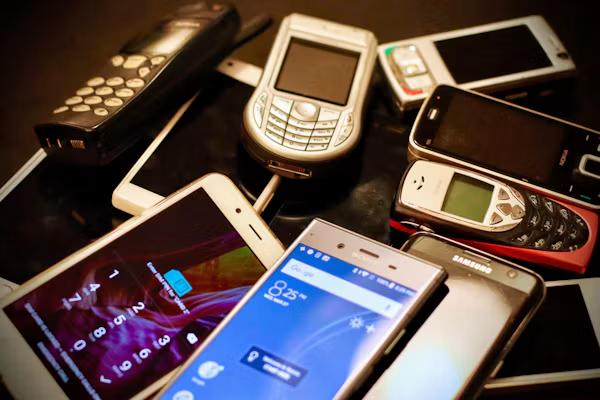
A Major Shift for the Philippine Secondhand Phone Market
For many Filipino consumers, buying a used smartphone is more than simply looking for a cheaper gadget. It can be a practical way to get a better camera, faster processor, larger storage capacity, or a premium model without paying the full retail price.
That is why the secondhand and refurbished smartphone market has become an increasingly visible part of the Philippine technology landscape. From online marketplaces and social-media listings to physical electronics shops, consumers have plenty of choices when searching for pre-owned devices.
But the convenience of the market also comes with risks. A phone may have an unclear ownership history, hidden defects, unauthorized modifications, or components that are already heavily worn. Some devices may also have problems involving locks, stolen-device reports, or unclear sources.
Against this backdrop, the National Telecommunications Commission, or NTC, is proposing tighter rules for businesses involved in importing, refurbishing, selling, leasing, and distributing used and refurbished mobile phones and similar devices. The proposal was discussed during a public hearing in September and remains subject to further review.
For Filipino buyers, the proposal could eventually change what it means to purchase a refurbished phone.
Why the NTC Wants More Control
The central issue is trust.
A secondhand smartphone can look almost perfect on the outside while hiding serious problems underneath. A bright screen and clean frame do not necessarily reveal whether a device has previously suffered water damage, received unauthorized repairs, or contains questionable replacement parts.
The NTC says its proposed framework is intended to address the unauthorized sale of illegally acquired or stolen devices as well as the trade in tampered and defective phones. The proposal would establish a more specific regulatory structure for businesses dealing with refurbished mobile devices.
Under the proposed system, authorized refurbished dealers would need a specialized permit. Devices imported for refurbishment would also need proper documentation, legitimate sourcing, and original NTC type approval.
That could make the refurbished market easier for ordinary consumers to understand.
Instead of simply asking whether a phone works, buyers could have clearer information about where it came from, who refurbished it, how it was graded, and who would be responsible if something went wrong.
The One-Year Warranty Could Change Buyer Expectations
One of the most important parts of the proposal is the focus on warranties.
The proposed framework calls for refurbished devices sold by authorized dealers to carry a one-year repair or replacement warranty. Dealers would also need a service arrangement capable of honoring those warranty obligations.
This could be a major change for Filipino consumers.
When purchasing a used smartphone from an informal seller, the transaction may end once the money changes hands. If the device develops a serious problem several days later, the buyer may have little practical protection.
A formal warranty changes that relationship.
It gives the consumer a clearer point of contact and makes the seller more accountable for the condition of the device. For people buying expensive refurbished iPhones, Samsung Galaxy models, or other premium smartphones, that additional protection could make secondhand purchases considerably less stressful.
It could also encourage sellers to inspect devices more carefully before putting them on the market.
Battery Condition Becomes More Important
One component deserves particular attention when evaluating refurbished smartphones: the battery.
A smartphone can have an excellent display, responsive touchscreen, and powerful processor, yet still deliver a disappointing experience if its battery has significantly degraded.
Battery condition can be particularly difficult for inexperienced buyers to evaluate. A seller may demonstrate that the phone turns on and charges, but that does not necessarily tell the buyer how well it will perform after several hours of mobile data, video streaming, gaming, navigation, or social-media use.
For this reason, buyers should treat the condition of the smartphone battery as an important part of the overall evaluation rather than focusing only on cosmetic appearance.
A refurbished phone should ideally come with transparent information about its battery condition and any major component replacements. If a device has already gone through several years of daily charging cycles, its real-world endurance may be very different from when it was new.
This becomes especially relevant in the Philippines, where smartphones are often used for communication, mobile banking, social media, entertainment, online shopping, and work throughout the day.
Why Filipino Buyers Choose Refurbished Phones
Price remains one of the strongest reasons.
New flagship smartphones can be expensive, especially when a consumer wants a high-storage configuration. A refurbished model can potentially provide access to premium hardware at a lower entry price.
For example, someone who could not justify purchasing a flagship smartphone when it first launched may find a refurbished version much more attractive after a year or two.
There is also the issue of rapid product cycles.
Manufacturers regularly introduce new models with better cameras, processors, displays, and connectivity. This means that perfectly usable phones can quickly become secondhand products even though they still have plenty of useful life remaining.
For Filipino consumers, that creates an interesting opportunity. A properly refurbished device can extend the useful life of electronics while reducing the amount of hardware that is discarded.
But the savings only make sense when the phone is actually reliable.
A heavily damaged device that needs immediate repairs may ultimately cost more than a slightly more expensive refurbished model from a reputable seller.
Online Shopping Makes Transparency Even More Important
The growth of online commerce has made it easier than ever to find used smartphones.
Consumers can browse listings from home, compare prices, message sellers, and arrange delivery without visiting a physical store. However, online shopping also makes it harder to physically inspect a device before paying.
A photograph cannot reveal every problem.
A screen may look flawless while the charging port is worn. A phone may boot normally while experiencing intermittent connectivity problems. A device may have a clean exterior while using a heavily degraded smartphone battery.
That is why documentation could become increasingly valuable.
If the NTC proposal moves forward, requirements involving labeling, grading, legitimate sourcing, and warranties could give buyers more information before making a purchase. The proposed framework would apply to both physical and online sellers, according to the NTC commissioner cited by PhilSTAR Tech.
For online buyers, that could be particularly significant.
What the Proposed Dealer Requirements Mean
The proposed rules would not simply ask sellers to register a business and continue operating as before.
According to the draft framework, applicants would need business documentation, a local business permit, proof of legitimate sourcing, and paid-up capital between ₱20 million and ₱50 million. The proposed permit would be valid for one year and would require renewal if the business continued operating under the framework.
There would also be filing, permit, and inspection fees.
These requirements are substantial, which means the final rules could have a noticeable effect on the structure of the refurbished-phone market.
Large and established businesses may be better positioned to comply, while smaller sellers could face greater challenges.
That creates an important policy question: how can regulators improve consumer protection without making affordable refurbished smartphones unnecessarily difficult to sell?
Could Prices Rise?
This is one of the biggest questions for Filipino consumers.
More testing, documentation, warranty support, inspections, and regulatory compliance can increase operating costs. Sellers may eventually pass some of those costs on to buyers.
If that happens, refurbished phones could become more expensive.
However, a higher upfront price does not automatically mean consumers are worse off.
A phone with verified sourcing, documented condition, and a meaningful warranty may provide greater value than a cheaper device with unknown history. The real comparison is not simply between a ₱10,000 phone and a ₱15,000 phone.
It is between a lower-cost device with uncertain risks and a higher-cost device backed by greater accountability.
For many consumers, that distinction could become increasingly important.
The Battery Test Should Become Part of the Buying Process
As refurbished phones become more standardized, consumers should also become more sophisticated.
Battery condition should be one of the first things to investigate.
Buyers can ask about battery health where the operating system provides that information, check charging behavior, observe whether the device becomes unusually hot, and determine whether the phone loses power unusually quickly during normal use.
A device that drains rapidly during basic tasks may require additional attention even if every other feature appears to work.
For older smartphones, battery replacement may eventually become part of the ownership cycle. That does not necessarily make a phone a bad purchase, but the potential cost should be included in the buyer’s calculations.
The key is transparency.
A refurbished device should not create the impression that it is effectively identical to a brand-new product if important components have experienced years of use.
A Better Market Could Benefit Honest Sellers
Stricter rules are not necessarily bad news for the entire refurbished industry.
In fact, responsible sellers could benefit from clearer standards.
Businesses that already inspect devices carefully, maintain records, offer warranties, and source phones through legitimate channels may have an easier time demonstrating their credibility.
The biggest pressure could instead fall on sellers who depend on vague descriptions, unclear sourcing, or devices with questionable histories.
That distinction matters.
The goal of regulation should not simply be to reduce the number of refurbished phones available. A healthier objective would be to create a market where consumers can identify trustworthy products more easily.
That could ultimately make refurbished technology more mainstream in the Philippines.
What Buyers Should Look For Now
The proposed NTC rules are not yet final, so consumers should not assume that every requirement has already become mandatory. The NTC was still reviewing public and stakeholder submissions as of early October, with no final issuance date announced.
In the meantime, buyers can still follow several practical principles.
First, check the seller’s reputation and transaction history.
Second, ask for the phone’s IMEI and verify relevant device information before completing the purchase.
Third, inspect the screen, cameras, speakers, microphones, charging port, buttons, wireless connectivity, and biometric functions.
Fourth, ask whether any major components have been replaced.
Finally, pay close attention to the smartphone battery. A device that looks like a bargain can become much less attractive if its battery requires immediate replacement.
These checks do not eliminate every risk, but they can help consumers make more informed decisions.
Refurbished Phones Could Have a Bigger Future in the Philippines
The Philippine smartphone market is entering an interesting period.
Consumers want better cameras, stronger performance, longer software support, and premium features, but not everyone wants to pay flagship prices every year. At the same time, online commerce is making secondhand devices easier to discover.
That combination creates strong potential for refurbished technology.
The challenge is making sure affordability does not come at the expense of safety, reliability, or consumer rights.
If the NTC’s proposed framework is finalized in a practical form, the Philippine refurbished-phone market could move toward greater transparency. Buyers may gain clearer information, authorized sellers could have stronger incentives to maintain quality, and legitimate businesses could distinguish themselves from questionable operators.
The transition will not be simple. Stakeholders have already raised concerns, including issues involving manufacturers’ intellectual-property rights, and the proposal can still change before becoming final.
But the underlying consumer question is straightforward: when someone buys a refurbished smartphone, they should know what they are actually getting.
A lower price is attractive. A premium device at a discount is even better.
But the best deal is one that remains a good deal after the excitement of the purchase is over. With better documentation, clearer warranties, stronger seller accountability, and greater attention to components such as the smartphone battery, refurbished phones could become a more trusted option for Filipino consumers rather than simply a cheaper alternative.
And that could be the biggest change of all: turning the Philippine secondhand smartphone market from a game of trust into a market where consumers have real information before they click Buy.