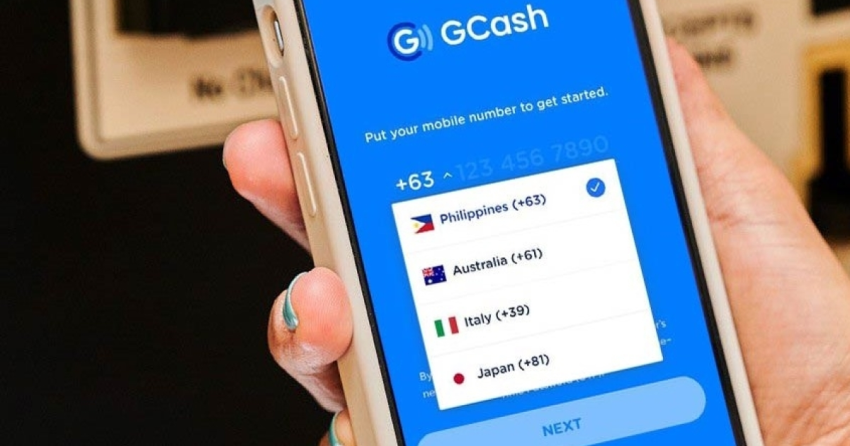
A Major Moment for the Philippine Digital Economy
The Philippines is entering a new stage of its digital transformation, and few companies illustrate that change better than GCash. The country’s most widely recognized digital wallet has become more than an app for sending money or paying bills. For millions of Filipinos, it has become part of everyday financial life.
The attention surrounding GCash has grown even further following the public listing of its parent company, Mynt. The event has placed the Philippine fintech sector firmly in the international spotlight and highlighted how quickly digital financial services have developed in a market where smartphones are often the primary gateway to the internet.
For Filipino consumers, the significance goes beyond the stock market. The rise of GCash reflects a broader shift in how people shop, transfer money, pay merchants, receive salaries, settle bills and manage small businesses. At the same time, traditional card terminals, QR payments and mobile wallets are increasingly operating side by side.
This combination is creating a fascinating technology ecosystem in which smartphones, payment terminals, mobile networks and cloud-based financial services all play a role.
Why GCash Has Become So Important
The appeal of digital wallets in the Philippines is closely connected to the country’s mobile-first culture. A large number of consumers rely on smartphones for communication, entertainment, shopping and financial transactions. A digital wallet can therefore become an extension of a device that people already carry everywhere.
GCash has benefited from this behaviour by offering services that go far beyond basic peer-to-peer transfers. Users can pay bills, purchase mobile services, send money to other people and make payments to participating merchants without needing to carry cash for every transaction.
This convenience is particularly important in a country where millions of transactions take place every day across highly diverse environments. A customer buying lunch in Metro Manila, a commuter paying for a service, or a small online seller receiving money from a customer may all interact with digital payments in different ways.
The result is a financial ecosystem that increasingly connects consumers and businesses through their phones.
Small Businesses Are Driving the Cashless Shift
The impact of digital payments is especially visible among small businesses.
From neighbourhood stores and food stalls to independent online sellers and service providers, Filipino entrepreneurs are increasingly looking for payment methods that are easy to deploy and inexpensive to operate. QR-based payments can be particularly attractive because merchants do not necessarily need sophisticated equipment to begin accepting digital transactions.
However, physical payment terminals remain important.
Restaurants, supermarkets, pharmacies, convenience stores and larger retailers often need dedicated hardware to process card and contactless payments. These devices can also provide a familiar checkout experience for customers who prefer cards or digital wallets.
As more merchants accept multiple payment methods, the checkout counter is becoming a small technology hub. A modern payment point may combine a smartphone, QR display, card reader, receipt printer, network connection and cloud-based payment software.
That means reliability matters more than ever.
The Technology Behind Every Successful Transaction
Consumers rarely think about the hardware behind a payment. They simply tap a card, scan a QR code or confirm a transaction on their phone.
Behind that simple action, however, several systems may be working simultaneously.
A payment terminal needs enough processing power to communicate with payment networks. It may also depend on Wi-Fi, mobile data or another wireless connection. Its software must remain updated, while its internal power system needs to support repeated transactions throughout the business day.
For portable payment terminals, battery performance becomes especially important. A device that works perfectly in the morning but shuts down during a busy afternoon can create unnecessary friction for both merchants and customers.
This is why merchants and service providers increasingly pay attention to the condition of a POS terminal battery when maintaining payment equipment. Battery health can influence how long a terminal remains available away from a charging station and can be particularly relevant for businesses that operate counters, pop-up locations or mobile sales points.
Beyond Metro Manila
One of the most interesting aspects of the Philippines’ digital-payment transformation is that it is not limited to major financial districts.
The country’s geography makes connectivity a particularly important technology issue. The Philippines is an archipelago with thousands of islands, and economic activity takes place in communities with very different levels of infrastructure.
Digital wallets can help reduce some of the barriers associated with traditional financial services. A smartphone and a mobile connection can provide access to financial tools without requiring a consumer to visit a physical bank branch for every transaction.
For small merchants in provincial communities, digital payment options can also create new opportunities.
A local business can potentially serve customers who do not carry enough cash, while online sellers can receive payments from customers in other parts of the country. As connectivity improves, these opportunities can become even more significant.
GCash and the Rise of Financial Inclusion
Financial inclusion is another important part of the story.
For many consumers, the traditional banking system may not always be the easiest entry point into formal financial services. Digital wallets can provide a simpler introduction to electronic payments and other financial products.
This does not mean that smartphones and digital wallets will completely replace banks. Instead, the Philippine market is developing a more interconnected financial environment in which banks, fintech companies, telecommunications providers and merchants increasingly interact.
The growth of GCash demonstrates the commercial potential of this model.
As more people become comfortable with digital transactions, consumers may also become more willing to explore additional financial services. Payments can therefore serve as an entry point into a broader digital financial ecosystem.
The Smartphone Is Becoming the New Wallet
Perhaps the most visible change is the growing importance of the smartphone itself.
For many Filipinos, the smartphone is already a camera, entertainment device, communication tool, navigation system and shopping platform. Adding financial services to that list makes the device even more central to everyday life.
This also explains why improvements in smartphone hardware can have an indirect impact on financial technology.
Longer battery life, better connectivity, biometric security and faster processors can all improve the experience of using mobile financial applications. When a phone becomes an essential financial tool, its reliability becomes increasingly important.
The relationship between smartphones and payment terminals is equally interesting. Consumers may use their phones to make payments while merchants use dedicated devices to accept cards, mobile wallets or contactless transactions.
The two sides of the payment ecosystem are therefore becoming increasingly connected.
Why Payment Hardware Still Matters
The rise of digital wallets does not mean physical payment hardware is disappearing.
In many businesses, payment terminals remain essential because they provide customers with multiple ways to complete a purchase. Contactless cards, chip cards and other payment methods continue to coexist with QR-based transactions.
For merchants, the best solution may therefore be a combination of technologies rather than a single payment method.
A busy restaurant, for example, could use QR payments for customers who prefer mobile wallets while maintaining card terminals for customers who want to tap or insert a bank card. A retail store could provide similar flexibility at several checkout counters.
This creates a new challenge: every additional device becomes another piece of equipment that needs to be maintained.
Power management is therefore becoming part of everyday retail technology. Merchants need to know whether their payment devices can last through busy periods and whether replacement components are readily available when batteries begin to deteriorate.
A dependable POS terminal battery can be particularly valuable for portable terminals used throughout a working day, helping merchants avoid interruptions caused by unexpected power loss.
Security Will Become Even More Important
As digital payments become more common, convenience cannot be separated from security.
Consumers want transactions to be fast, but they also expect their money and personal information to remain protected. Fintech companies therefore face the continuing challenge of balancing ease of use with strong authentication and fraud prevention.
For users, basic digital-security habits remain important. Strong passwords, device protection, software updates and careful attention to suspicious messages can all reduce risks.
Merchants also have responsibilities. Payment equipment needs to be properly managed, software should remain updated and employees should understand basic security procedures.
As payment systems become more interconnected, security is no longer simply an issue for banks. It has become part of the technology infrastructure used by ordinary businesses every day.
What the GCash IPO Signals for the Future
The public-market milestone surrounding GCash sends a broader message about the Philippine technology sector.
The country’s digital economy is no longer a small experimental corner of the market. Fintech platforms have reached a scale where their growth can influence consumer behaviour, retail operations and broader economic activity.
That creates opportunities for other technology companies as well.
Payment infrastructure providers, telecommunications companies, smartphone manufacturers, cybersecurity firms and cloud-service businesses can all benefit from increasing digital adoption.
For consumers, this competition could translate into more convenient payment options and better digital services.
For merchants, it could mean more choices when selecting payment systems and business technology.
A More Connected Philippine Marketplace
The next phase of the Philippines’ digital-payment story will probably not be defined by one technology alone.
Instead, smartphones, QR payments, digital wallets, card terminals, mobile networks and online commerce will increasingly work together.
The most successful businesses may be those that can move smoothly between these different systems. A customer might discover a product on social media, order it through an online platform, pay with a mobile wallet and receive a digital confirmation within minutes.
That kind of experience is becoming increasingly normal.
At the physical point of sale, meanwhile, reliability remains fundamental. A sophisticated payment platform is only useful if merchants can actually complete transactions when customers are ready to pay. Even relatively small components can therefore have a meaningful effect on the overall experience.
Regular maintenance and timely replacement of worn components, including a POS terminal battery, can help keep payment equipment ready for demanding business environments.
The Philippines’ Digital Future Is Already Here
The GCash story is ultimately about much more than one company or one IPO.
It represents a transformation in how Filipinos interact with money and technology. The smartphone has become a powerful financial tool, while merchants are adopting increasingly flexible ways to accept payments.
The Philippines still faces challenges, including connectivity gaps, cybersecurity threats, digital-literacy differences and unequal access to technology. But the direction is clear: digital financial services are becoming deeply embedded in everyday economic activity.
As more consumers and businesses embrace cashless transactions, the technology supporting those transactions will become increasingly important. From cloud platforms and mobile networks to smartphones and physical payment terminals, every part of the ecosystem has a role to play.
For merchants, that means thinking beyond the payment app itself. Reliable hardware, dependable connectivity and well-maintained equipment can be just as important as the software running behind the scenes.
The next chapter of Philippine fintech will therefore not simply be about replacing cash with digital payments. It will be about building a marketplace where different technologies work together seamlessly.
And as that marketplace grows, even the smallest piece of payment infrastructure can become part of a much bigger digital transformation—including the humble POS terminal battery that helps keep a payment device running when customers are ready to tap, scan and pay.