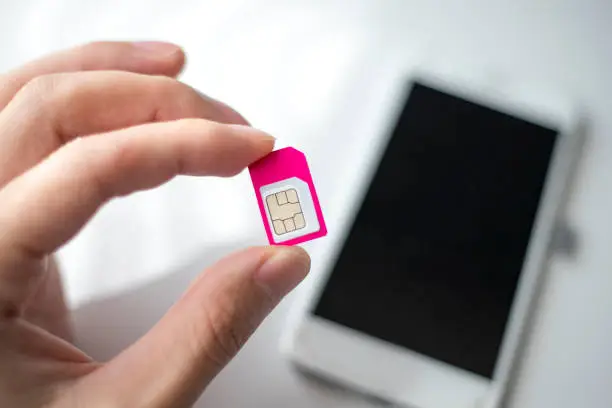
Why SIM Registration Still Matters to Filipino Mobile Users
For millions of Filipinos, a smartphone is much more than a device for making calls. It is a digital wallet, a work tool, a source of entertainment, a way to stay connected with family and friends, and increasingly a gateway to government and financial services.
That is why mobile security has become an increasingly important issue in the Philippines. The country’s SIM registration system was introduced to make it harder for criminals to use anonymous mobile numbers for scams, fraud and other illegal activities. Yet the continued appearance of scam messages and suspicious calls means that registration alone cannot eliminate the problem.
For ordinary smartphone users, the bigger question is how to stay safe while continuing to enjoy the convenience of a highly connected lifestyle.
From text messages offering fake promotions to social media accounts pretending to represent banks or delivery companies, scams can appear almost anywhere. Filipino consumers therefore need to understand not only why SIM registration exists, but also how criminals continue to exploit people’s trust and everyday digital habits.
The Smartphone Has Become a Digital Lifeline
Mobile connectivity plays a particularly important role in everyday life in the Philippines. Many people rely on smartphones for communication, online shopping, banking, transportation, schoolwork and employment.
This dependence has also increased the potential impact of a compromised mobile number.
A scammer who gains access to a person’s mobile account or tricks them into revealing a verification code may potentially cause problems far beyond unwanted messages. Mobile numbers can be connected to social media accounts, digital payment services, email accounts and other online platforms.
This creates a chain of security risks.
For example, a user might receive a message claiming that a delivery has been delayed. The message may contain a link asking the recipient to confirm an address or pay a small additional fee. The amount may look insignificant, but the real objective could be to collect personal information or redirect the user to a fraudulent website.
The danger is particularly high when people are busy and make quick decisions on their phones.
SIM Registration Is Not a Complete Security Solution
SIM registration provides an important layer of accountability, but users should not assume that a registered SIM automatically makes every message or phone call trustworthy.
Scammers can still use social engineering techniques. They may impersonate banks, government agencies, telecommunications companies, online marketplaces or even friends and relatives.
The message may include a familiar logo, professional-looking language or an urgent warning. Some scams tell users that their account will be suspended unless they take immediate action. Others promise prizes, discounts or financial rewards.
The emotional pressure is deliberate.
When people feel that they might lose money, miss a delivery or have an account blocked, they are more likely to click a link without carefully checking the source.
The safest approach is to slow down.
If a message asks for a password, PIN, one-time password or other sensitive information, users should verify the request through an official channel rather than replying directly to the message.
Why Scam Texts Remain So Effective
One reason scam messages remain effective is that they often imitate ordinary digital experiences.
Filipinos regularly receive promotional messages, delivery notifications, payment reminders and account alerts. A fraudulent message can therefore look almost identical to something legitimate.
Scammers also understand the importance of timing.
A fake shopping promotion may arrive during a major online sale. A fraudulent delivery message may appear when consumers are expecting packages. A fake financial alert may be designed to create panic by claiming that a transaction has taken place.
This makes awareness just as important as technology.
A good rule is simple: unexpected urgency deserves extra attention.
Users should check the sender, examine links carefully and avoid entering personal information through a website reached from an unsolicited message.
Protecting Mobile Accounts Starts With Basic Habits
Good cybersecurity does not always require complicated technical knowledge. Some of the most effective protections are simple habits.
First, users should avoid sharing one-time passwords and authentication codes with anyone. Legitimate organizations generally do not need customers to disclose these codes to strangers over the phone or through chat.
Second, important accounts should use strong and unique passwords whenever possible. Reusing the same password across several services creates additional risks because one compromised account can potentially affect others.
Third, smartphone software and applications should be kept updated. Security updates can address vulnerabilities that attackers may try to exploit.
Finally, users should think carefully before installing unfamiliar applications or granting unnecessary permissions.
The physical condition of a phone also matters more than people might expect. A reliable smartphone battery helps users keep their devices available when they need to receive security alerts, contact their bank, verify an account or reach family members during an emergency.
The Connection Between Mobile Security and Digital Payments
Digital payments have changed how many Filipinos manage everyday transactions. Instead of carrying large amounts of cash, consumers can use mobile devices to pay bills, transfer money and purchase goods.
Convenience, however, comes with new security responsibilities.
When a phone number is connected to financial services, losing control of that number can become more serious than simply receiving unwanted calls.
Users should therefore treat their mobile number as an important part of their digital identity. If a phone is lost or a SIM card behaves unexpectedly, contacting the telecommunications provider and relevant financial service as soon as possible can help reduce potential risks.
Consumers should also monitor financial notifications and report suspicious transactions immediately.
The goal is not to avoid digital payments. Instead, it is to use them with greater awareness.
Social Media Adds Another Layer of Risk
The Philippines has one of the world’s most active social media cultures, making social platforms an important part of communication and commerce.
Unfortunately, this also creates opportunities for fraudsters.
Fake accounts can imitate well-known brands, online sellers, public figures or even ordinary individuals. A scammer may begin with a friendly conversation before eventually asking for money, personal information or an authentication code.
Users should be especially cautious when an online contact suddenly asks for urgent financial assistance.
Even if the account appears to belong to someone familiar, contacting that person through another communication channel can help confirm whether the request is genuine.
Consumers should also avoid posting unnecessary personal information publicly. Details such as birthdays, phone numbers, addresses and family information can sometimes be combined by criminals to make fraudulent messages appear more convincing.
What To Do After Receiving a Suspicious Message
Receiving a suspicious message does not mean that a phone has already been compromised.
The safest response is usually to avoid interacting with the message.
Do not click unfamiliar links. Do not download unexpected files. Do not provide passwords or verification codes. If the message claims to come from a bank, telecommunications provider, delivery company or government agency, contact that organization using a trusted channel.
Users should also consider reporting suspicious activity through the appropriate platform or service provider.
Most importantly, people should not feel embarrassed if they encounter a convincing scam. Fraudsters deliberately design their messages to look legitimate and create emotional pressure.
Sharing information about common scams with family members, friends and colleagues can help protect the wider community.
Keeping a Phone Ready for Emergencies
Mobile security is not only about preventing financial loss. Smartphones are also essential communication tools during emergencies.
The Philippines regularly faces situations in which reliable communication becomes especially important. Typhoons, flooding, earthquakes and other emergencies can disrupt daily life and make mobile connectivity critical.
A phone with enough power allows users to receive government alerts, contact relatives, check weather information and communicate with emergency services.
For this reason, consumers should pay attention to battery health and charging habits. Carrying a reliable power bank can also be useful, particularly during travel or periods of unstable electricity supply.
A dependable smartphone battery can make the difference between having access to essential information and suddenly losing communication when the phone reaches a critical battery level.
This is another reason why battery life should not be viewed merely as a convenience feature.
The Future of Mobile Security in the Philippines
As more services move online, mobile security is likely to become increasingly important.
SIM registration is one part of a broader effort to create a safer digital environment. Digital identity systems, stronger account authentication, cybersecurity education and better cooperation between telecommunications companies, financial institutions and government agencies can all contribute to reducing fraud.
However, technology cannot completely replace individual awareness.
A sophisticated security system can still be undermined if a user voluntarily gives a scammer an authentication code. Similarly, a registered SIM cannot prevent someone from clicking a fraudulent link.
The future of mobile security therefore depends on both technology and human behavior.
Consumers need better tools, while users also need the knowledge to recognize suspicious activity.
A Safer Digital Life Starts With Small Decisions
For Filipino smartphone users, avoiding scams does not require giving up the convenience of digital technology.
It means becoming more careful about everyday decisions.
Pause before clicking. Verify unexpected requests. Protect authentication codes. Keep accounts updated. Use trusted payment channels. Be cautious about what is shared publicly on social media.
It is also worth preparing for situations in which the phone itself becomes unavailable. Backing up important information, keeping emergency contacts accessible and maintaining a healthy smartphone battery can make mobile communication more reliable.
The Philippines is becoming increasingly connected, and that connectivity offers enormous benefits. From digital payments and online shopping to education, entertainment and communication, smartphones are now deeply integrated into everyday life.
SIM registration can help create greater accountability, but the strongest protection comes from combining regulation, technology and informed users.
For millions of Filipinos, staying safe online ultimately begins with something simple: taking a few extra seconds to think before trusting a message.