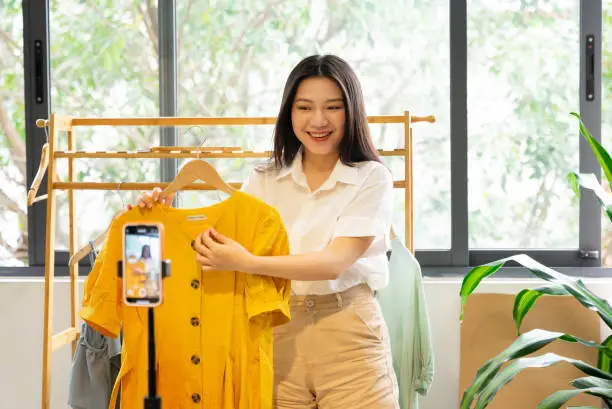
The Phone Is No Longer Just a Phone
In the Philippines, a smartphone can be many things at once. It can be a camera, a television, a classroom, a shopping mall, a bank, an office and a personal entertainment center. For millions of Filipinos, it is also the main tool for staying connected with friends, family and online communities.
That is why the rise of creator-led commerce is becoming more interesting than a simple social media trend. Filipino consumers are increasingly discovering products through short videos, livestreams and recommendations from creators they follow. Instead of searching for a product first and then looking for a review, many people now encounter a product while watching entertainment.
This change is having an unexpected effect on the smartphone market.
A creator may start a livestream in a bedroom, small shop or home studio. Within minutes, hundreds or thousands of viewers can be watching, commenting and asking questions. Some viewers may then open another shopping app, compare prices, read reviews or make a purchase directly through a social commerce platform.
Behind this entire experience is one small device: the smartphone.
As social commerce becomes more important, consumers are beginning to expect more from their phones. They want better cameras for content creation, brighter screens for livestreams, faster processors for editing videos and, perhaps most importantly, enough endurance to survive hours of scrolling and streaming.
Why Filipino Consumers Are So Engaged With Social Commerce
The Philippines has a particularly strong relationship with social media. For many users, social platforms are not simply places to post photos or chat with friends. They are sources of entertainment, news, product recommendations and even income.
The growth of creator-led commerce reflects this behavior. TikTok Shop, for example, has been developing programs specifically aimed at helping Filipino creators improve their livestream selling skills. One recent initiative gave grassroots creators training in storytelling, audience engagement and live-selling techniques.
This is important because livestream shopping feels different from traditional online shopping.
A conventional online store gives shoppers product photos, specifications and prices. A livestream adds a human being to the process. A creator can demonstrate a product, answer questions and react to comments immediately.
Imagine someone watching a creator demonstrate a new pair of wireless earbuds. A viewer might ask, “How long does the battery last?” Another might ask whether the earbuds are comfortable. Someone else may want to know whether the product works well with an Android phone.
The conversation itself becomes part of the shopping experience.
That personal connection is particularly powerful for smaller Filipino sellers and creators. Instead of spending huge amounts on traditional advertising, they can build trust through regular content and direct interaction with their audiences.
The Smartphone Upgrade Starts With the Camera
The creator economy is also changing what people expect from smartphones.
A few years ago, consumers might have focused primarily on screen size, storage, processor speed or price. Those factors still matter, but cameras have become increasingly important as more people create videos for TikTok, Facebook, Instagram and YouTube.
For a young Filipino creator, the smartphone can be a complete production studio.
A single device can record a video, edit it, add music, upload it and communicate with followers. There is no need to own an expensive camera or a complicated editing system to start creating content.
This has made camera quality one of the most visible selling points in the smartphone market.
But a good camera creates another problem: power consumption.
Recording high-resolution video, using image processing, keeping the screen bright and uploading large files can drain a phone much faster than ordinary messaging. A creator who spends several hours filming or livestreaming cannot afford to have a phone constantly searching for a charger.
That is why the smartphone battery is becoming an increasingly important part of the creator experience.
A powerful camera is exciting when the phone is fully charged. It is much less useful when the battery warning appears in the middle of a livestream.
Livestreaming Creates a New Kind of Smartphone User
Traditional smartphone users might spend several minutes checking messages or browsing social media. Creators and livestream sellers use their devices much more intensively.
A livestream can last for hours. During that time, the phone may be running the camera, display, microphone, mobile data connection and background applications simultaneously.
This creates a completely different performance requirement.
For Filipino creators, reliability matters because a livestream interruption can mean more than an inconvenience. If a seller is demonstrating products and suddenly loses power, the audience may move on to another creator.
The same principle applies to consumers.
A viewer may spend an evening watching livestreams, comparing products and chatting with friends. They might switch between TikTok, Facebook Messenger, a browser and an online shopping platform without even realizing how much work the phone is doing.
The smartphone has become a gateway to an entire digital marketplace.
As a result, battery capacity, charging speed and long-term battery health can influence whether a device feels convenient or frustrating.
The Rise of the “Always Online” Lifestyle
The Philippines also has a unique geography that makes connectivity particularly important. With thousands of islands and large differences between urban and rural communities, access to reliable digital services can vary considerably.
For many people, the smartphone provides a practical way to stay connected regardless of location.
In Metro Manila, a smartphone might be used during a long commute to watch videos, answer messages or shop online. In another part of the country, it may be an important tool for communicating with family members who work in another city or overseas.
For overseas Filipino workers and their families, digital communication can be especially meaningful. A video call is not simply another app feature when it provides a way for parents, children or partners to see each other despite being separated by distance.
That makes battery life more than a technical specification.
It can affect how long people can remain connected during a busy day.
When Viral Videos Become Shopping Decisions
One of the most interesting parts of creator-led commerce is how quickly entertainment can turn into purchasing.
A user may open TikTok intending to watch funny videos. Five minutes later, they may be watching someone review a smartphone accessory. Ten minutes later, they could be comparing prices.
The boundary between entertainment and shopping becomes almost invisible.
This is one reason short-form video and livestreaming are so powerful. A product does not necessarily have to be advertised as a traditional advertisement. It can appear naturally inside a creator’s daily routine.
A creator might show how they organize their desk, prepare for school, edit videos or travel around Manila. The products they use become part of the story.
For consumers, this can feel more authentic than a conventional advertisement.
For smartphone manufacturers and accessory companies, it also creates a new opportunity. If a product performs well in a creator’s video, viewers may immediately want to know which device was used to create it.
Price Still Matters in the Philippines
There is another important part of the Philippine market: consumers are highly conscious of value.
The latest flagship smartphone may offer an impressive camera, processor and display, but many buyers will still ask a simple question: “Is it worth the price?”
That is why mid-range and affordable smartphones remain extremely important.
Consumers increasingly expect phones at reasonable prices to offer features that were once reserved for premium models. Better cameras, larger displays, faster charging and improved performance are moving down into more accessible price segments.
This creates intense competition.
A phone does not necessarily have to be the fastest or most expensive device to attract Filipino consumers. It needs to offer a convincing combination of performance, camera quality, battery life, durability and price.
For someone who uses a phone for work during the day and entertainment at night, practical value may be more attractive than a luxury specification.
The Hidden Cost of Heavy Smartphone Use
There is also a less exciting side to the smartphone boom: heavy usage can accelerate battery wear.
Constant charging, high temperatures, intensive gaming, long video sessions and extended livestreaming can put additional stress on a device over time. A phone that once lasted from morning until night may eventually require a midday charge.
This can become particularly frustrating for people who depend on their phones for work or income.
A creator may not notice battery degradation immediately. At first, the phone might simply need to be charged slightly earlier. Months later, however, the difference can become obvious.
The smartphone battery therefore deserves more attention when consumers evaluate a device. Battery capacity is only one part of the story. Charging speed, power efficiency, software optimization and the user’s daily habits can all influence real-world endurance.
Could Creators Become the New Tech Reviewers?
Another fascinating development is the changing role of online creators.
Traditional technology reviewers usually test devices systematically. They compare cameras, processors, displays, charging speeds and other specifications.
Creators approach products differently.
They may simply show how a device works in everyday life.
That can sometimes be more persuasive.
A creator using a phone for eight hours of livestreaming provides a different kind of information from a laboratory battery test. A student showing how they use a tablet throughout a school day offers another perspective.
Consumers are increasingly interested in real experiences.
This does not mean professional reviews are becoming irrelevant. Instead, the two forms of content can complement each other. Technical reviews explain what a device can do, while creators show what it feels like to live with the device.
Together, they can influence purchasing decisions.
What Filipino Consumers May Want Next
As the creator economy continues to develop, smartphone manufacturers will have to think beyond headline specifications.
Filipino consumers may increasingly look for devices that can handle long hours of video, social media, gaming, messaging and shopping without becoming uncomfortable or unreliable.
Better cooling could become more important. Faster charging could become a bigger selling point. Cameras may become even more sophisticated. Displays may become brighter while consuming less energy.
Artificial intelligence could also play a larger role.
AI features can help users edit photos, remove unwanted objects from videos, generate captions, translate content and organize information. For creators, these tools can reduce the time required to turn an idea into a finished post.
But every new feature also raises expectations for efficiency.
If smartphones become more powerful while users spend even more time on them, energy management will remain critical.
The Next Smartphone Upgrade May Be About Endurance
The creator economy is changing more than what Filipinos watch online. It is changing how they work, shop and communicate.
A smartphone can now be a business tool for a livestream seller, a camera for a creator, a classroom for a student and a lifeline for a family separated by thousands of kilometers.
That is why the next wave of smartphone competition may not simply be about who has the biggest camera sensor or fastest processor.
It may be about who can deliver the best overall experience for people who are connected almost all day.
The smartphone battery may not be the most glamorous feature on a product specification sheet, but it can determine whether a phone survives the reality of modern Filipino digital life.
From a teenager filming a TikTok video to a small business owner selling products during a livestream, the demand is surprisingly similar: a phone that keeps working when they need it most.
From Scrolling to Selling
The most fascinating part of the Philippine creator economy is how quickly an ordinary smartphone can become a source of opportunity.
A person can start with a phone, an internet connection and an idea. They can build an audience, introduce products, communicate with customers and potentially create an income stream without opening a traditional store.
That is a powerful transformation.
And it explains why smartphones have become so deeply embedded in the country’s digital culture.
The next time a Filipino consumer watches a short video and decides to buy a new gadget, the purchase may look like a simple online transaction. Behind it, however, is a much larger shift in technology and culture.
Entertainment is becoming commerce. Creators are becoming sellers. Smartphones are becoming production studios.
And as this transformation continues, the devices that power it will have to keep up.