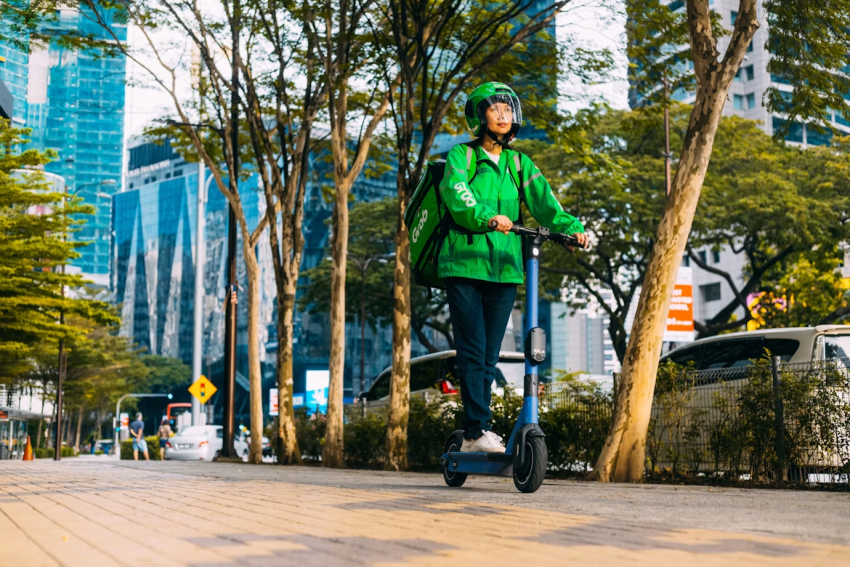
The Philippines Enters a New Era of Electric Mobility
The transportation landscape in the Philippines is changing rapidly as more consumers and businesses explore cleaner and smarter ways to travel. Electric vehicles (EVs) are no longer seen as futuristic products reserved for advanced markets. They are becoming a practical option for Filipino commuters who want to reduce fuel costs, improve convenience, and embrace more sustainable lifestyles. The country’s electric mobility sector has gained significant attention as rising fuel prices, environmental concerns, and government support encourage more people to consider electric transportation.
While electric cars often receive the most attention, smaller electric mobility products are also becoming increasingly popular. Electric scooters, personal mobility devices, and lightweight electric transport solutions are attracting students, office workers, delivery riders, and urban residents who need affordable ways to move through busy city streets.
Metro Manila and other major urban areas face daily challenges such as traffic congestion, high transportation expenses, and limited parking spaces. Because of these issues, compact electric vehicles offer an attractive alternative. They require less space, are easier to maintain, and can support short-distance commuting without relying on traditional fuel.
As this market expands, advanced electronics are becoming more important than ever. Modern electric mobility products depend on reliable power systems, smart controllers, charging technologies, and efficient energy management solutions. Among these components, the electric scooter and hoverboard battery has become a key element that directly influences performance, safety, and user experience.
Why Electric Scooters Are Gaining Popularity Among Filipinos
Electric scooters are becoming more visible across Philippine cities because they match the needs of modern urban lifestyles. Many Filipinos travel relatively short distances every day, whether commuting from residential areas to public transportation stations, going to schools, or completing local errands.
Unlike traditional motorcycles or cars, electric scooters are lightweight and easy to store. They can be carried into offices, apartments, or public buildings, making them especially appealing in crowded cities where space is limited.
Another reason behind their popularity is cost efficiency. Fuel prices continue to influence transportation decisions, and many consumers are searching for alternatives that reduce daily expenses. Charging an electric scooter is generally more affordable than regularly purchasing gasoline, making it attractive for budget-conscious users.
Young consumers are also contributing to the growth of personal electric mobility. Many Filipino students and professionals are interested in portable technology that combines transportation with digital convenience. Features such as mobile applications, speed controls, LED displays, and smart security systems are transforming simple scooters into connected electronic devices.
This shift shows that electric scooters are not only transportation tools but also part of the broader consumer electronics market. They combine mechanical design with advanced electronic systems, creating new opportunities for manufacturers and technology suppliers.
The Growing Role of Batteries in Electric Mobility Development
The battery is one of the most important components in any electric mobility device. It determines how far a scooter can travel, how quickly it can recharge, and how consistently it performs over time.
For Filipino users, battery reliability is especially important because many people depend on their personal transportation devices for daily activities. A weak or aging battery can reduce travel distance, increase charging frequency, and create inconvenience for commuters.
The development of better battery technology is helping electric mobility products become more practical. Improvements in energy density, charging speed, durability, and safety systems are allowing manufacturers to create lighter devices with longer operating ranges.
The demand for high-quality electric scooter and hoverboard battery solutions is increasing as more consumers purchase electric personal mobility products. A dependable battery allows users to travel confidently, whether they are commuting to work, exploring neighborhoods, or using electric devices for delivery services.
In addition, battery technology improvements are supporting the wider goal of creating a stronger electric vehicle ecosystem in the Philippines. Charging networks, maintenance services, and replacement component markets are all expected to grow alongside EV adoption. Industry groups have also highlighted the importance of expanding charging infrastructure beyond major urban centers to support wider electric mobility use.
How Electric Mobility Is Supporting a More Sustainable Future
Environmental awareness is becoming an important factor influencing transportation choices in the Philippines. Traditional vehicles contribute to air pollution and greenhouse gas emissions, especially in densely populated cities.
Electric mobility provides an opportunity to reduce dependence on fossil fuels and create cleaner transportation options. Although electric vehicles alone cannot solve every environmental challenge, they represent an important step toward a more sustainable transport system.
Government policies and industry initiatives are encouraging the development of EV infrastructure and adoption. The Philippines has introduced measures designed to support electric vehicles, including incentives and policies aimed at increasing EV availability.
Small electric devices such as scooters and hoverboards can also contribute to this transition. They are particularly useful for short-distance travel, which represents a significant portion of daily urban transportation.
For example, a commuter may use an electric scooter to travel from home to a train station instead of using a gasoline-powered motorcycle for the entire journey. These small changes, when adopted by many people, can create meaningful impacts on urban transportation patterns.
The Connection Between Consumer Electronics and Electric Transportation
The rise of electric mobility is creating a closer connection between transportation and consumer electronics. In the past, vehicles were mainly associated with mechanical engineering. Today, they are becoming sophisticated electronic platforms.
Modern electric scooters include digital displays, smart sensors, wireless connectivity, and intelligent battery management systems. These technologies are similar to those found in smartphones, wearable devices, and other personal electronics.
This trend is creating new consumer expectations. Users are no longer only asking how fast a vehicle can travel. They also care about charging convenience, battery lifespan, portability, and smart features.
The electric scooter and hoverboard battery represents this connection between mobility and electronics. It is not simply a power source but a technology component that affects the entire user experience.
Manufacturers that focus on improving battery quality, energy efficiency, and safety features will have stronger opportunities as the Philippine electric mobility market continues to develop.
Challenges Facing Electric Mobility Growth in the Philippines
Despite strong interest, electric mobility still faces several challenges in the Philippines. One major concern is affordability. Many consumers compare the initial cost of electric devices with traditional transportation options before making a purchase decision.
Infrastructure is another important factor. While charging options are improving, wider availability is needed to make electric transportation more convenient across different regions. Industry organizations have emphasized that charging expansion is essential for broader EV adoption.
Battery maintenance and replacement are also concerns for consumers. People want confidence that their electric devices will remain useful for many years. Transparent information about battery performance, replacement options, and proper maintenance can help increase consumer trust.
Education will also play a role. Many first-time buyers may not understand battery care, charging habits, or differences between electric mobility products. Providing better information can help users maximize device performance and extend product lifespan.
The Future of Electric Mobility Electronics in the Philippines
The future of electric transportation in the Philippines is closely connected to advances in electronics. As technology improves, electric scooters, hoverboards, and other personal mobility devices are expected to become smarter, more efficient, and more accessible.
Future products may include longer-lasting batteries, faster charging systems, improved safety controls, and better integration with digital platforms. These innovations will make electric mobility more convenient for everyday users.
The increasing demand for components such as the electric scooter and hoverboard battery reflects a larger transformation happening in the transportation industry. Batteries are becoming central to how people think about mobility, energy use, and personal technology.
The Philippines is moving toward a future where transportation is not only about reaching a destination but also about using cleaner, smarter, and more connected solutions. As electric mobility continues to grow, advanced electronics will remain at the heart of this transformation.
For Filipino consumers, the next generation of transportation may not only mean owning a vehicle. It may mean choosing technology that fits their lifestyle, reduces costs, and supports a more sustainable future.