A Legacy Device in a Rapidly Evolving Mobile Landscape
Even in today’s fast-paced smartphone market where 5G mid-range devices, foldable screens, and AI-powered cameras dominate headlines, the Samsung Galaxy Note 9 continues to attract attention as a dependable classic flagship. Many users still discuss it in relation to performance stability, productivity features, and long-term usability, especially as consumers increasingly compare older premium devices with newer budget smartphones that flood the market.
In current electronics conversations, there is a noticeable trend toward maximizing device lifespan instead of frequently upgrading. This shift has made older flagship models like Note 9 relevant again, particularly in discussions around durability, multitasking efficiency, and long-term value in everyday use.
Design and Build A Premium Feel That Still Looks Modern
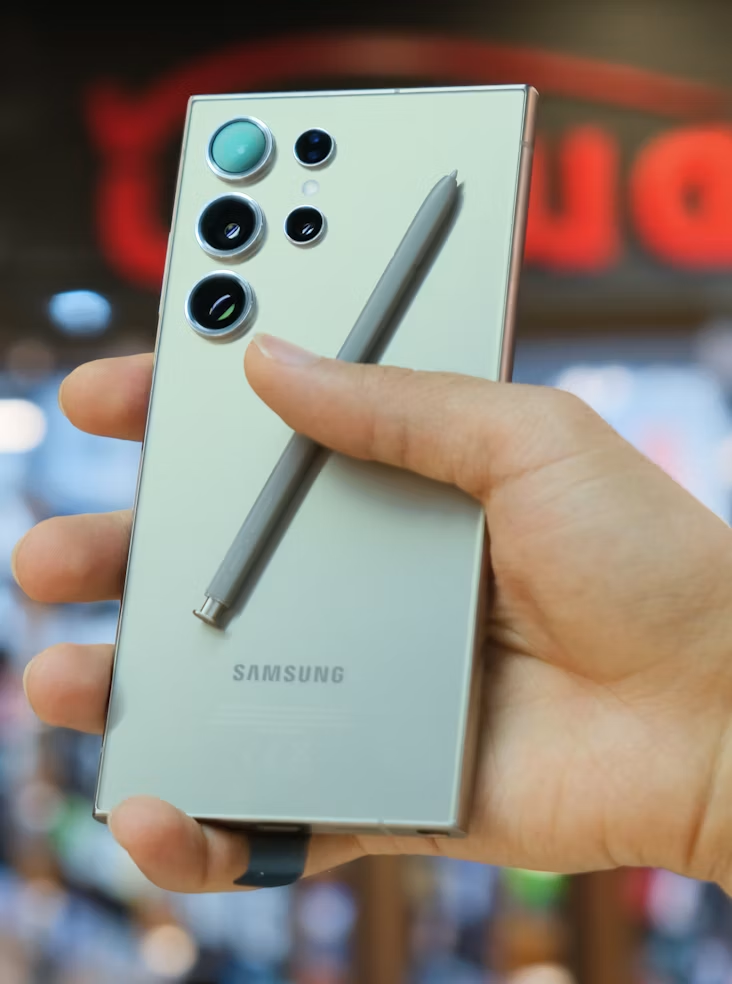
The Samsung Galaxy Note 9 features a sleek glass-and-metal design that still feels premium compared to many entry-level and midrange phones today. Its symmetrical frame, curved display edges, and minimal bezels give it a clean, professional appearance that continues to appeal to users who prefer productivity-focused devices over purely entertainment-driven smartphones.
The large display size also contributes to its identity as a “phablet” style device, making it suitable for reading, editing documents, and media consumption. Even in a market dominated by punch-hole displays and ultra-thin designs, the Note 9’s solid build quality helps it remain visually competitive.
Performance and Core Functionality Built for Power Users
At its core, the Note 9 was designed as a performance-oriented device, and it still delivers a stable experience for everyday tasks. Multitasking, document handling, streaming, and light productivity workloads remain smooth for many users, especially those who value reliability over cutting-edge benchmarks.
One of the reasons it continues to appear in online discussions is its sustained usability in long-term ownership scenarios. Users often compare its performance stability with newer low-cost smartphones that sometimes prioritize features over consistent processing power.
Smart Features and Productivity Tools That Still Stand Out
The S Pen remains one of the defining elements of the Note series, and it continues to be a strong productivity advantage. From note-taking to quick sketches and remote control functions, the stylus enhances workflow efficiency in ways that many modern smartphones still struggle to replicate.
The device also includes features like Samsung DeX, allowing users to connect the phone to a larger display for a desktop-like experience. This feature has become increasingly relevant in today’s hybrid working culture, where mobile productivity tools are highly valued.
Battery Experience and Long-Term Usage Insights
Battery performance is one of the most frequently discussed aspects of older flagship smartphones, especially as users try to extend device lifespan rather than replace devices frequently. Many discussions online focus on optimizing long-term usage habits and evaluating replacement considerations for aging batteries.
A commonly searched topic in this area is Samsung Galaxy Note 9 battery replacement price guide for long-lasting performance, reflecting how users are interested in maintaining device efficiency instead of upgrading immediately.
Rather than focusing on technical procedures, the broader trend is about extending usability and ensuring the device remains suitable for daily communication, entertainment, and productivity needs.
Smart Relevance in Today’s Mobile Ecosystem
Despite being an older flagship, the Note 9 still fits into modern digital behavior patterns. With the rise of social media consumption, mobile gaming, and remote work tools, users are increasingly looking at whether older devices can still meet daily demands without lagging behind newer trends.
Another frequently searched phrase in this context is how to extend Samsung Note 9 battery life replacement options available, which reflects the growing interest in sustainable device usage and longer product lifecycles.
At the same time, comparisons between older premium phones and new budget models have become a major discussion point in the electronics community, especially as users evaluate performance vs. cost efficiency.
A Flagship That Still Holds Its Ground
The Samsung Galaxy Note 9 remains a notable example of how well-built flagship smartphones can continue to stay relevant even years after release. While the industry moves toward AI integration, foldable screens, and faster connectivity, many users still appreciate its balance of performance, design, and productivity features.
A third highly searched interest area is Samsung Note 9 battery change cost and compatibility solutions, showing that long-term usability remains a central topic for users who prefer maximizing device value rather than replacing hardware frequently.
In a market driven by constant innovation, the Note 9 stands as a reminder that solid engineering and thoughtful features can keep a device meaningful far beyond its launch cycle.