The Philippines’ Overseas Workers Enter a New Digital Era
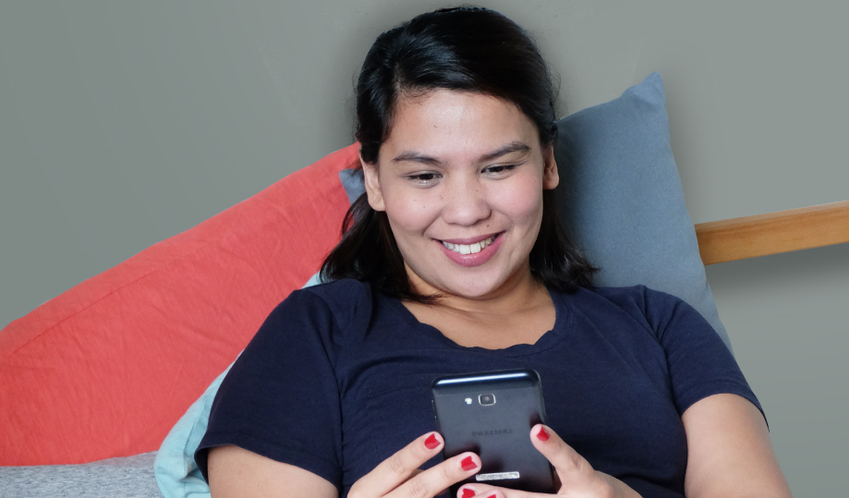
For millions of Filipino families, technology has always played an important role in maintaining connections across borders. The Philippines has one of the largest overseas worker communities in the world, with millions of Filipinos working in countries such as Japan, the United States, the Middle East, and Europe. For these families, a smartphone is not just an entertainment device — it is a bridge that connects parents, children, spouses, and relatives separated by thousands of kilometers.
In recent years, artificial intelligence (AI) translation tools have started changing the way Filipino overseas workers communicate with people from different cultures. Language barriers that once created challenges in workplaces, hospitals, schools, and daily life are becoming easier to overcome. With AI-powered translation features now appearing in smartphones, earbuds, and other smart devices, Filipino workers can communicate more confidently in foreign environments.
This trend is especially meaningful for the Philippines because English proficiency has traditionally been one of the country’s strengths. However, many overseas Filipino workers still face situations where local languages are necessary. A caregiver in Japan may need to understand elderly patients, a worker in South Korea may communicate with local colleagues, and a Filipino parent abroad may want to help their child learn another language.
AI translation technology is becoming a practical tool that supports these everyday experiences.
Smartphones Become Personal Language Assistants for Filipinos
The smartphone has already become an essential part of Filipino life. From online banking and social media to education and remote work, mobile devices are deeply integrated into daily routines. Now, AI is adding another important function: turning smartphones into personal language assistants.
Modern AI translation applications can instantly convert conversations, translate text from images, and provide real-time voice interpretation. For Filipino workers living abroad, this means they no longer need to rely only on traditional dictionaries or manual translation services.
A Filipino caregiver communicating with a Japanese patient, for example, can use a smartphone translation feature to understand medical instructions more clearly. A Filipino employee working overseas can quickly translate workplace messages and communicate with colleagues more efficiently.
However, these advanced AI features also create higher demands on device performance. Real-time translation requires strong processing power, continuous internet access, and reliable energy support. This is why many consumers are paying more attention to smartphone battery performance when choosing their next device.
A phone that supports AI translation throughout the day needs enough endurance for long conversations, navigation, video calls, and work applications. For overseas Filipino workers who depend on their phones as essential communication tools, battery reliability is becoming just as important as camera quality or processing speed.
Breaking Language Barriers Between Filipino Families and the World
One of the biggest impacts of AI translation is its ability to strengthen family connections.
Many Filipino overseas workers leave their hometowns to provide better financial opportunities for their families. Although video calls have already made communication easier, language differences can sometimes affect relationships with people in their host countries.
For example, a Filipino parent living abroad may want to communicate with their child’s teachers but struggle because of language differences. AI translation tools can help make conversations smoother. Similarly, Filipino workers can better understand local communities, participate in social activities, and feel less isolated.
Technology is not replacing human relationships; instead, it is helping people build stronger connections. AI translation allows people from different backgrounds to communicate more naturally.
In the Philippines, where family relationships are highly valued, this ability has special importance. A simple translated message or clearer conversation can help families stay emotionally connected despite physical distance.
Why Mobile Devices Matter in the Philippines’ Digital Lifestyle
The Philippines is a mobile-first country. Many Filipinos use smartphones as their primary digital devices because mobile networks are often more accessible than traditional computer-based services.
Young Filipinos use phones for education, entertainment, online shopping, and content creation. Overseas workers use them to communicate with family members and manage daily tasks. Small business owners use them to handle payments and customer relationships.
As AI features become more common, smartphones are expected to become even more powerful. Translation, voice assistants, image recognition, and AI productivity tools are transforming phones from simple communication devices into intelligent personal assistants.
This evolution is also changing consumer expectations. Users are no longer looking only for affordable devices. They want smartphones that can support longer working hours, better connectivity, and advanced AI functions.
Battery performance has become a key part of this conversation. A smartphone used for AI translation, video calls, and navigation must remain reliable from morning until night. This explains why the demand for better smartphone battery solutions continues to grow among Filipino consumers.
For many users, a powerful phone is only useful if it can stay powered throughout important moments.
AI Translation and the Future of Filipino Overseas Workers
The future of overseas work will likely become more technology-driven. As companies continue adopting digital tools, workers who can communicate effectively across languages will have more opportunities.
AI translation does not eliminate the need to learn languages, but it provides additional support. Workers can use AI tools to improve understanding while gradually developing their own language skills.
For example, a Filipino worker in Japan may use translation technology during the first months of employment while learning Japanese expressions over time. A healthcare worker abroad may use AI assistance to ensure important information is communicated accurately.
This combination of human ability and artificial intelligence could create a more inclusive global workplace.
The Philippines is also becoming more connected digitally. Government agencies and technology companies are exploring ways to improve connectivity, including solutions that support communication during emergencies and in remote areas. Technology-based disaster response and satellite-enabled communication have also become increasingly important because extreme weather events can disrupt traditional networks.
Challenges: Can AI Translation Be Trusted Everywhere?
Despite its benefits, AI translation technology still faces challenges.
Accuracy remains one of the biggest concerns. Languages often contain cultural meanings, emotions, and expressions that machines may misunderstand. A direct translation may sometimes lose important context.
Privacy is another issue. Many translation services process conversations through cloud-based systems, meaning users need to consider how their personal information is handled.
For Filipino users, affordability is also important. Advanced AI smartphones may still be expensive for many consumers. The challenge for technology companies is creating devices that combine AI capability with reasonable pricing.
Battery efficiency is another technical challenge. AI processing requires more energy, especially when users rely on real-time translation, voice recognition, and constant connectivity. Future devices will need smarter energy management and improved battery technology to meet these demands.
A longer-lasting smartphone battery will continue to be a major factor as AI features become part of everyday life.
A More Connected Future for Filipino Communities Worldwide
AI translation tools represent more than just a technological improvement. For Filipino workers and families, they represent a way to make the world feel smaller.
A nurse communicating with foreign patients, a worker understanding workplace instructions, or a family member having a smoother conversation with someone abroad — all of these situations show how technology can improve real human experiences.
The Philippines has always been known for its strong global connections. As smartphones become smarter and AI becomes more accessible, technology will continue helping Filipinos overcome distance and language barriers.
The next generation of mobile devices will not only connect people through calls and messages. They will help people understand each other better.
For millions of Filipinos around the world, that future is already beginning — one conversation, one translation, and one fully charged device at a time.