The Growing Role of Smart Security Technology in Philippine Communities
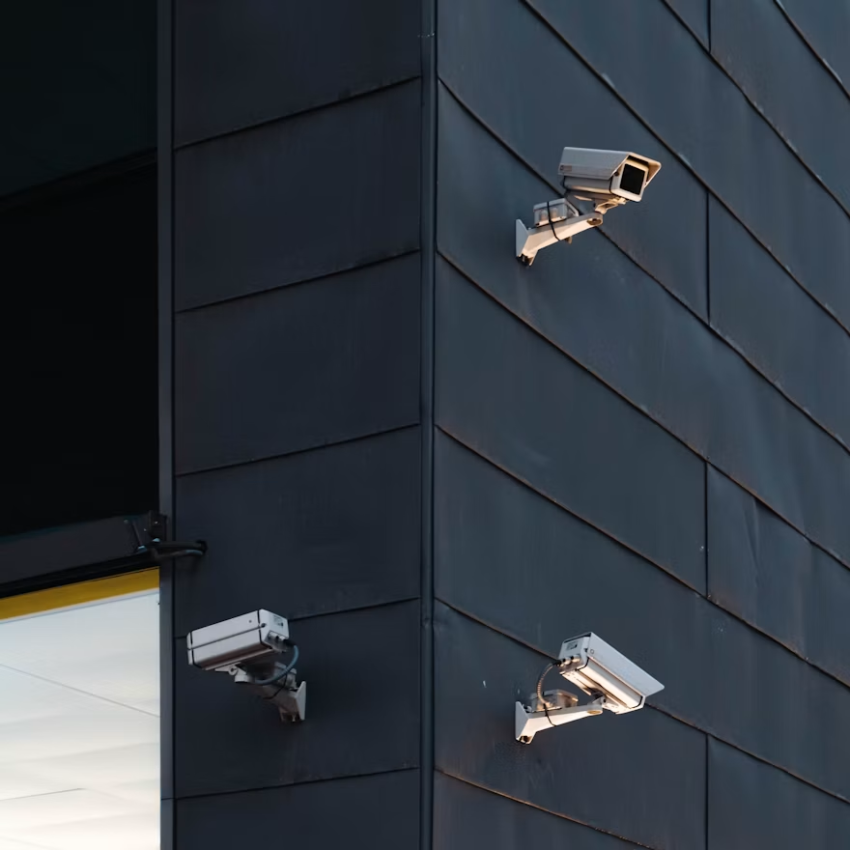
Across the Philippines, technology is becoming an important part of everyday life. From busy urban centers like Metro Manila to smaller communities across the islands, people are looking for smarter and more reliable ways to improve safety. As cities continue to grow and businesses expand, traditional security methods are being combined with advanced digital solutions. One of the most noticeable changes is the rapid adoption of artificial intelligence cameras that can monitor environments, identify unusual activities, and provide faster responses to potential risks.
Artificial intelligence cameras are no longer limited to large corporations or government projects. Today, many homeowners, shop owners, schools, and small businesses in the Philippines are exploring smart surveillance systems because they offer better protection and more convenient management. These cameras can analyze video footage in real time, recognize movement patterns, and send alerts when something unusual happens.
The increasing demand for smart security solutions is closely connected with the Philippines’ digital transformation. As internet connectivity improves and more people become familiar with smart devices, security technology is becoming more accessible. AI-powered cameras represent a combination of hardware innovation, cloud technology, and intelligent software, creating new possibilities for public and private safety.
For many users, however, reliable performance depends not only on advanced camera functions but also on stable power solutions. A security camera that stops working at a critical moment cannot provide effective protection. This is why energy solutions such as camera battery systems are becoming an important part of modern surveillance setups.
Why AI Cameras Are Becoming Popular in the Philippines
The Philippines has experienced significant growth in smart technology adoption. Security concerns, urban development, and the need for efficient monitoring have encouraged more people to consider AI-based surveillance systems.
One major advantage of artificial intelligence cameras is their ability to process information automatically. Traditional cameras usually record footage that must be reviewed manually after an incident occurs. AI cameras, on the other hand, can identify specific events immediately. They can detect unusual movement, distinguish between people and objects, and provide notifications through connected mobile applications.
For Filipino homeowners, this technology offers greater peace of mind. Many families use smart cameras to monitor entrances, gardens, parking areas, and other important spaces. Parents can check their homes remotely, while business owners can manage security even when they are away.
Small and medium-sized businesses are also showing strong interest in these systems. Retail stores, restaurants, warehouses, and offices need affordable security solutions that can protect property while reducing operational challenges. AI cameras allow business owners to monitor activities without requiring constant human supervision.
Another reason for growing popularity is the rise of smart home technology. Many Filipino consumers are already using smartphones, smart appliances, and connected devices. Adding intelligent security cameras has become a natural next step in creating a more connected lifestyle.
AI Cameras and Their Impact on Public Safety
Public safety is one of the biggest areas where artificial intelligence cameras can make a difference. In crowded areas, transportation facilities, commercial districts, and public spaces, smart surveillance can help authorities understand situations faster.
AI cameras can support security teams by providing real-time information. For example, if a camera detects suspicious behavior in a specific location, operators can quickly review the situation and take appropriate action. This reduces response time and improves overall security management.
In the Philippines, where many cities experience busy streets and high population density, efficient monitoring systems can be extremely valuable. Smart cameras can help manage traffic conditions, monitor public areas, and support emergency responses.
Beyond crime prevention, AI cameras can also assist with everyday challenges. They can help businesses understand customer movement, improve workplace safety, and monitor important facilities. Schools and educational institutions may use these technologies to create safer environments for students and staff.
However, successful implementation requires more than installing cameras. A complete security system needs reliable connectivity, proper installation, regular maintenance, and continuous power supply. This is where battery technology becomes an essential factor.
The Importance of Reliable Power for Modern Surveillance Systems
Security cameras are designed to provide protection at all times, including during unexpected situations. Power interruptions, which can occur in different areas of the Philippines, may affect the operation of surveillance equipment. A camera system that loses power during an important moment may fail to capture critical information.
To solve this challenge, many modern security systems use backup energy solutions. A high-quality camera battery allows surveillance devices to continue operating even when the main power source is unavailable. This is especially useful for outdoor cameras, remote monitoring locations, and areas where stable electricity access can be challenging.
Battery-powered cameras also provide installation flexibility. Users do not always need to place cameras near electrical outlets, making it easier to monitor gardens, entrances, parking spaces, and other outdoor locations. Wireless security systems supported by advanced batteries are becoming increasingly attractive for Filipino households and businesses.
As AI cameras become more powerful, their energy requirements may also increase. Features such as high-resolution recording, motion detection, night vision, and wireless communication all require efficient power management. Future security solutions will likely focus on improving battery life while maintaining advanced smart features.
Smart Security Cameras in Filipino Homes and Businesses
The use of AI cameras is expanding across different sectors in the Philippines. Residential users are adopting smart cameras to protect their families and properties. Many homeowners prefer devices that allow remote viewing through smartphones, giving them control even when they are traveling or working outside.
For businesses, smart cameras provide both security and operational advantages. Store owners can monitor customer areas, protect valuable products, and improve workplace management. Warehouses and logistics companies can use intelligent surveillance to monitor inventory areas and prevent unauthorized access.
Agricultural businesses are also exploring technology-based solutions. In rural areas, cameras can help monitor farms, equipment, and valuable resources. With wireless technology and improved battery performance, security systems can operate in locations where traditional infrastructure may be limited.
The combination of AI technology and energy-efficient hardware is creating new opportunities. A modern security camera is no longer just a recording device. It has become an intelligent assistant that helps users make faster decisions and improve safety.
For outdoor applications, durability is also important. Cameras must handle different weather conditions, temperature changes, and long operating hours. A dependable camera battery plays a key role in ensuring that these systems continue working effectively in various environments.
Challenges and Future Development of AI Security Technology
Although AI cameras provide many benefits, there are still challenges that need attention. One important issue is privacy protection. As more cameras collect and analyze information, users and organizations need to ensure that data is handled responsibly.
Another challenge is cost. While smart security devices are becoming more affordable, advanced systems with artificial intelligence features may still require investment. Manufacturers are working to create solutions that offer better performance at lower prices, making them accessible to more Filipino consumers.
Technical support and maintenance are also important considerations. Users need reliable installation services and clear guidance to maximize the benefits of smart security systems.
Looking ahead, AI cameras are expected to become even more advanced. Improvements in machine learning, cloud computing, and energy technology will continue to enhance surveillance capabilities. Future cameras may offer better recognition accuracy, longer operating times, and stronger integration with other smart devices.
Battery innovation will remain a major part of this development. Longer-lasting and more efficient power solutions will allow security cameras to operate independently for extended periods. As demand increases, the role of the camera battery will become even more important in supporting next-generation security technology.
A Smarter and Safer Future for the Philippines
Artificial intelligence cameras are changing the way Filipinos think about security. These devices combine advanced software, connected technology, and intelligent monitoring to provide more effective protection for homes, businesses, and public spaces.
The growth of smart surveillance reflects a larger trend in the Philippines: technology is becoming deeply connected with daily life. As consumers become more comfortable with digital solutions, demand for reliable and convenient security products will continue to grow.
AI cameras are not simply about recording events. They are about creating safer environments, improving response times, and helping communities manage security challenges more efficiently. With continued innovation, these systems can become an important part of the Philippines’ smart technology future.
From residential neighborhoods to commercial centers, the next generation of security depends on both intelligence and reliability. Advanced AI features may provide the decision-making power, but dependable energy solutions ensure that these systems remain active when they are needed most. Together, artificial intelligence cameras and modern battery technology are helping build a safer, smarter, and more connected Philippines.