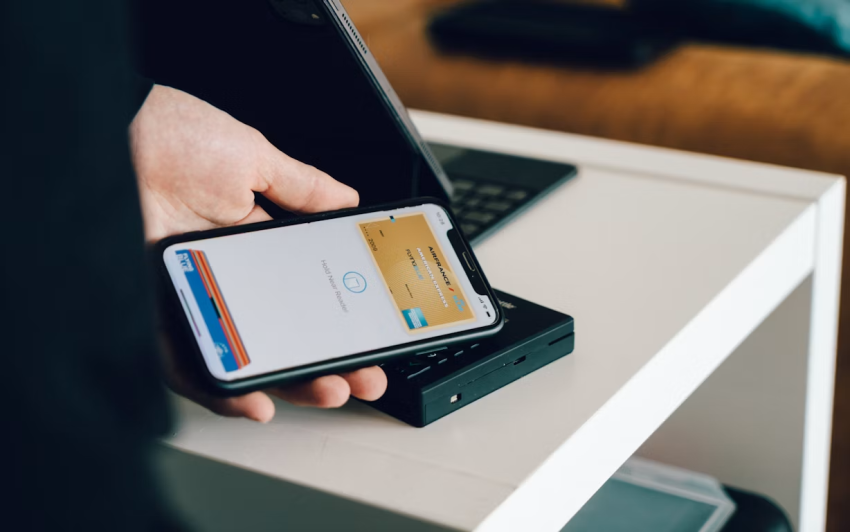
The Rise of a Smartphone-Driven Lifestyle in the Philippines
Over the past few years, smartphones have become more than just communication tools for Filipino consumers. They have transformed into essential devices for managing daily activities, especially as digital payments continue to expand across the country. From buying groceries and paying bills to sending money to family members, smartphones are now deeply connected to the everyday lives of millions of Filipinos.
The rapid growth of cashless transactions has changed the way people interact with technology. Mobile wallets, online banking applications, and digital payment platforms have made financial services more accessible, particularly for younger generations and people living outside major urban centers. Instead of visiting physical banks or carrying large amounts of cash, many Filipinos now rely on their smartphones to complete financial tasks within seconds.
This digital transformation has also increased expectations for mobile devices. Users are no longer looking for phones that only offer good cameras or stylish designs. They need reliable devices that can support long hours of online payments, communication, entertainment, and work. As smartphone usage increases, battery performance has become a major concern because a device that runs out of power can interrupt important financial activities.
For this reason, the importance of a high-quality smartphone battery has grown significantly. A dependable battery allows users to stay connected throughout the day, whether they are transferring money, scanning QR codes, shopping online, or accessing digital services.
Digital Payments Become Part of Everyday Filipino Life
The Philippines has experienced a major shift toward digital financial solutions. Many consumers have embraced mobile payment applications because they provide convenience, speed, and flexibility. Small businesses, street vendors, restaurants, and transportation services are increasingly accepting digital payments, making cashless transactions easier in everyday situations.
For many Filipinos, smartphones have become their personal financial centers. A single device can store payment applications, banking information, digital receipts, and communication tools. This convenience is especially valuable for people with busy schedules who want to manage their finances without spending extra time traveling to banks or payment centers.
The popularity of online shopping has also strengthened smartphone dependence. Consumers often use mobile devices to browse products, compare prices, complete payments, and track deliveries. During major shopping events, millions of users rely on their smartphones to access special promotions and make quick purchases.
However, increased usage creates new challenges. Constant internet connections, background applications, location services, and payment apps can consume significant energy. A phone that cannot maintain power throughout the day may become inconvenient, especially when users depend on it for important financial activities.
As a result, Filipino consumers are paying more attention to battery capacity, charging speed, and long-term performance when choosing their next device. The demand for better smartphone battery solutions reflects a broader change in consumer priorities, where reliability is becoming just as important as design and performance.
Why Battery Performance Matters in the Digital Payment Era
A few years ago, many smartphone users mainly worried about battery life during entertainment activities such as gaming or video streaming. Today, the situation is different. A low battery can affect essential tasks, including making payments, receiving transaction notifications, or accessing digital identification services.
For workers, students, and small business owners, smartphones often serve multiple purposes throughout the day. A single device may be used for communication, financial management, navigation, online learning, and professional tasks. This heavy dependence creates a stronger need for batteries that can support continuous usage.
Battery technology has become a key factor influencing smartphone purchasing decisions. Consumers are increasingly interested in devices that offer longer usage time, efficient charging systems, and stable performance after months or years of use. They want smartphones that can keep up with modern digital lifestyles.
In the Philippines, where many people spend significant time outside their homes, reliable battery life is particularly important. Public charging opportunities may not always be available, and frequent charging can be inconvenient for commuters and travelers. A powerful smartphone battery helps users maintain confidence that their devices will remain functional whenever they need them.
Manufacturers are responding to this demand by improving energy efficiency, optimizing software performance, and developing advanced battery technologies. These improvements are helping smartphones become more dependable tools for a society that increasingly relies on digital services.
The Impact on Young Filipino Consumers
Young Filipinos are among the biggest drivers of smartphone adoption and digital payment growth. Many members of Generation Z and younger professionals use smartphones as their primary connection to the digital world. They use mobile devices for education, entertainment, social interaction, shopping, and financial activities.
For this generation, smartphones are not simply accessories. They represent convenience and independence. A student may use a phone to pay for transportation, purchase meals, attend online classes, and communicate with classmates. A young professional may use the same device for workplace communication, online banking, and personal expenses.
Because of this lifestyle, young consumers often evaluate smartphones based on practical features. Camera quality and processing speed remain important, but battery reliability has become a major consideration. A phone that requires frequent charging may not match the fast-paced lifestyle of modern Filipino users.
Social media trends also influence smartphone usage patterns. Content creation, live streaming, and online communities encourage people to spend more time on their devices. These activities increase energy consumption and create additional demand for stronger battery performance.
As digital habits continue evolving, smartphone manufacturers and accessory providers must consider the changing expectations of Filipino consumers. Battery technology is no longer a secondary feature. It has become an essential part of the overall smartphone experience.
Small Businesses and the Growth of Mobile Transactions
Digital payments are also changing how small businesses operate in the Philippines. Many entrepreneurs now use smartphones to accept payments, manage orders, communicate with customers, and promote their products online.
For small business owners, a smartphone can function as a complete business management tool. A seller at a local market may accept QR payments through a mobile application. A home-based entrepreneur may receive orders through social media platforms. A delivery worker may depend on navigation and payment applications throughout the day.
These activities require smartphones to remain active for extended periods. If a device loses power during business hours, it can directly affect sales and customer service. Therefore, battery reliability becomes an important factor for people whose income depends on mobile technology.
The growing use of smartphones in business environments highlights why battery quality matters. A durable smartphone battery can support entrepreneurs by reducing interruptions and allowing them to focus on serving customers rather than searching for charging solutions.
This trend also creates opportunities for the electronics industry. As more Filipinos depend on smartphones for financial activities, demand for replacement parts, accessories, and battery-related solutions is expected to continue increasing.
The Future of Smartphones and Digital Payments in the Philippines
The connection between smartphones and digital payments will likely become even stronger in the coming years. As more financial services move online, consumers will continue searching for devices that offer convenience, security, and reliable performance.
Future smartphones may include more advanced artificial intelligence features, improved energy management systems, and faster charging technologies. These innovations will help devices handle increasingly complex tasks while maintaining efficient power usage.
The expansion of digital payments may also encourage more people in rural communities to participate in the digital economy. Affordable smartphones with reliable performance can help bridge gaps in financial access and provide new opportunities for individuals and businesses.
For Filipino consumers, the smartphone will continue to represent more than a communication device. It will remain a gateway to financial services, education, entertainment, and professional opportunities. As this dependence grows, battery technology will play an increasingly important role in supporting everyday digital experiences.
The growth of digital payments is reshaping how Filipinos use smartphones. Mobile devices have become essential tools for managing money, connecting with others, and participating in modern economic activities. As smartphone dependence increases, consumers are becoming more aware of the importance of battery performance.
A reliable device can make the difference between a smooth digital experience and an unexpected interruption. Whether users are paying bills, shopping online, running businesses, or staying connected with family, strong battery performance supports their daily needs.
The future of digital payments in the Philippines will continue to depend on accessible and dependable technology. As smartphones remain at the center of digital life, the demand for better smartphone battery solutions will continue to grow alongside the country’s rapidly changing digital landscape.