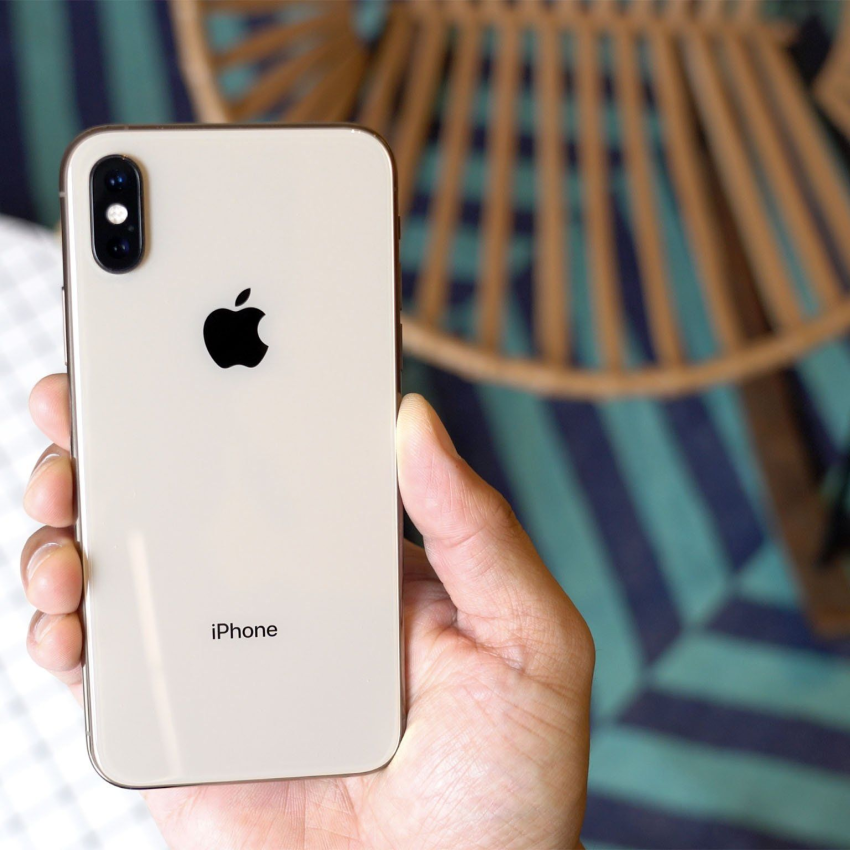
The Apple iPhone XS Max is no longer a new device, yet it remains widely used in the Philippines, especially in the second-hand market. While basic issues like simple battery drain are well known, many users actually struggle with deeper, less obvious problems that affect long-term usability. These issues often appear after months or years of use, particularly under heavy daily conditions such as mobile data reliance, heat, and frequent charging. Below are five more advanced, real-world problems explained in a practical Q&A format.
Why does my iPhone XS Max suddenly shut down even when the battery percentage is still high?
This is a more serious symptom than normal battery drain. Many users report their phone shutting down at 20% or even 30%, which indicates unstable voltage output rather than just low capacity. The iphone xs max battery degrades not only in how long it lasts, but also in how consistently it delivers power.
In hot climates like the Philippines, internal battery wear accelerates, making voltage drops more likely under load—such as when using the camera or mobile data. iOS may not accurately reflect real battery levels anymore, leading to unexpected shutdowns.
The only reliable fix is battery replacement. Software recalibration tricks rarely solve this permanently. If you continue using the device in this state, it may lead to further system instability or even data loss during sudden shutdowns.
Why does my iPhone XS Max lose signal randomly even in areas with good coverage?
Unlike simple “no signal” issues, this problem happens intermittently and is harder to diagnose. It is often related to aging internal antennas or baseband chip stress rather than carrier coverage itself.
Frequent drops between LTE and 3G, or sudden “No Service” messages, can be triggered by hardware fatigue or micro-damage from drops and heat exposure. In the Philippines, where users frequently switch between indoor and outdoor environments, this instability becomes more noticeable.
To troubleshoot, resetting network settings is only a first step. If the issue continues across different SIM cards, it may point to internal hardware degradation. In such cases, repair or replacement of specific components may be required rather than simple software fixes.
Why does my iPhone XS Max get warm and laggy even during light tasks?
If your phone heats up while doing basic activities like messaging or browsing, this suggests inefficient power management rather than heavy usage. A worn iphone xs max battery can struggle to regulate power delivery, causing the processor to work less efficiently and generate excess heat.
Additionally, background system processes may increase when iOS tries to compensate for degraded hardware. This results in a cycle: more heat leads to more throttling, and more throttling leads to slower performance.
A clean system reset can help temporarily, but if the issue persists, it often indicates underlying hardware wear. Replacing the iphone xs max battery in such cases can stabilize voltage and reduce unnecessary thermal buildup, improving both speed and temperature.
Why are my photos sometimes blurry or inconsistent even though the camera is fine?
This is not always a camera hardware issue. Over time, the image stabilization system inside the camera module can weaken due to physical wear or minor drops. This results in slight motion blur, especially in low-light conditions.
Another factor is software processing delays. If your device is under heavy load or experiencing performance throttling, the camera may struggle to process images quickly, leading to inconsistent quality.
Cleaning the lens and updating iOS are basic steps, but if the issue continues, it may require camera module inspection. Users who rely heavily on mobile photography—common in social media-driven markets like the Philippines—will notice this decline more quickly.
Why does my iPhone XS Max charge normally but take much longer than before?
Slow charging is often misunderstood as a charger problem, but in many cases, it is related to internal battery resistance increasing over time. As the iphone xs max battery ages, it becomes less efficient at accepting power, even if the charging cable and adapter are working properly.
Heat also plays a role. Charging in warm environments can trigger thermal protection, slowing down charging speed to prevent damage. Dust or corrosion in the charging port—common in humid climates—can further reduce charging efficiency.
To address this, clean the charging port carefully and use a certified charger. However, if charging remains unusually slow despite these steps, it is likely due to battery aging, and replacement is the most effective solution.
The Apple iPhone XS Max continues to serve many users well, but the real challenges are often not the obvious ones. Issues like sudden shutdowns, unstable signal, inefficient power management, camera inconsistency, and slow charging reflect deeper hardware aging rather than simple usage habits.
For users in the Philippines, where heat, heavy mobile usage, and long device lifecycles are common, these problems tend to appear sooner and feel more impactful. Addressing them early—especially by monitoring and replacing the iphone xs max battery when necessary—can significantly extend the usable life of the device and maintain a stable, reliable experience.