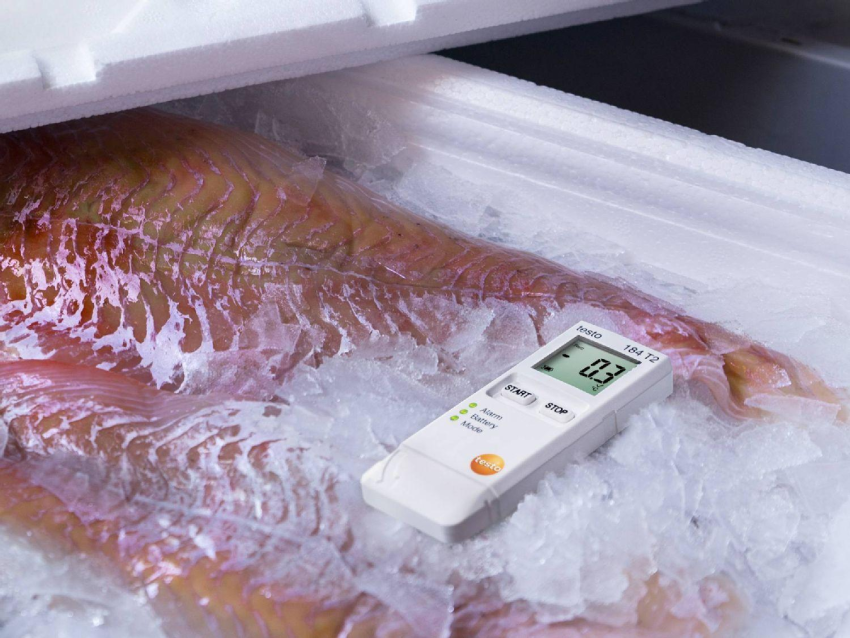
A Seafood Nation Facing a Modern Delivery Challenge
Seafood is more than just another food category in the Philippines. It is part of everyday life, local culture, family gatherings, and the country’s vibrant food economy. From freshly grilled bangus and sizzling tuna to shrimp sinigang, seafood plays an important role in Filipino kitchens and restaurants.
Across coastal communities, public markets, fishing ports, supermarkets, and online food delivery platforms, fresh seafood travels through a surprisingly complicated journey before reaching consumers. A fish caught early in the morning may pass through several hands, spend hours inside a delivery vehicle, and eventually arrive at a restaurant or household kitchen.
However, there is one major challenge along this journey: temperature.
The Philippines has a tropical climate, with warm temperatures, high humidity, and frequent periods of heavy rain. These environmental conditions can make seafood transportation particularly demanding. Even when fish looks fresh on the outside, poor temperature management during delivery can affect its quality and safety.
This is where digital temperature sensors could make a meaningful difference.
By continuously monitoring storage conditions and sending alerts when temperatures move outside recommended limits, these small electronic devices can help seafood businesses make better decisions. Could this technology become an important part of the Philippines’ seafood delivery industry?
Why Seafood Delivery Is Especially Challenging in the Philippines
The Philippines is an archipelago made up of thousands of islands. Its geography creates opportunities for fishing, aquaculture, and seafood trading, but it also makes transportation complicated.
Fresh seafood may travel from fishing communities in Palawan, Cebu, Davao, or other coastal areas to larger urban markets. Some deliveries take place over relatively short distances, while others involve ferries, refrigerated trucks, motorcycles, and multiple distribution facilities.
Every additional transportation stage creates another opportunity for temperature conditions to change.
For example, seafood transported from a coastal fishing community to Metro Manila may encounter several different environments. It could begin inside a chilled storage facility, move into a refrigerated vehicle, wait at a loading area, and then enter another delivery vehicle.
A delay caused by traffic, bad weather, or ferry schedules can make the journey even more complicated.
The problem is not limited to long-distance transportation. Even small seafood vendors delivering orders to nearby restaurants need to pay attention to storage conditions.
Traditional methods, such as checking ice levels or occasionally reading a thermometer, can provide useful information. However, they do not always reveal what happened to the seafood between inspections.
Digital temperature sensors offer a more continuous approach.
How Digital Temperature Sensors Monitor Seafood Deliveries
A digital temperature sensor measures the temperature of its surrounding environment and converts the measurement into electronic data.
In seafood transportation, these sensors can be placed inside refrigerated storage compartments, insulated delivery boxes, cold rooms, or refrigerated vehicles.
Depending on the system, measurements can be recorded at regular intervals and transmitted to a smartphone, tablet, or centralized monitoring platform.
Instead of relying on occasional manual inspections, delivery managers can follow temperature changes throughout the journey.
Some systems also include programmable alerts. If the temperature moves beyond a predefined operating range, the device can notify the responsible employee.
This is particularly useful when seafood is being transported over long distances or through multiple distribution points.
Imagine a seafood supplier in Cebu sending fresh products to a restaurant in another city. The logistics manager could monitor the storage compartment remotely and receive an alert if the cooling system begins to malfunction.
The company could then investigate the problem before the shipment reaches its destination.
Importantly, temperature monitoring does not replace proper refrigeration, sanitation, or food safety procedures. It provides additional information that helps businesses manage those procedures more effectively.
The Importance of the Cold Chain for Filipino Seafood Businesses
The cold chain refers to the temperature-controlled process used to preserve perishable products during storage, transportation, and distribution.
For seafood, maintaining appropriate conditions throughout this process is essential.
Fresh fish, shrimp, squid, and other seafood products can deteriorate when exposed to unsuitable temperatures for extended periods. The exact requirements vary depending on the species, product condition, packaging, and processing method.
Digital sensors can help businesses identify weak points in their cold chain.
For instance, a seafood distributor might discover that products consistently experience temperature fluctuations while waiting at a particular loading facility. Another company might find that one delivery vehicle has less reliable cooling performance than the others.
Without recorded temperature data, these problems could remain unnoticed.
With monitoring technology, managers can compare delivery records, identify recurring patterns, and make improvements.
For small businesses, even relatively simple digital thermometers with data-logging functions may provide useful benefits. Larger seafood distributors can consider connected monitoring systems that combine sensors, wireless communication, and cloud-based records.
The goal is straightforward: make temperature management more visible and reliable.
Could Smartphones Make Seafood Transportation Smarter?
One interesting development is the growing connection between temperature sensors and everyday consumer electronics.
Many modern monitoring devices can communicate with smartphones through Bluetooth, Wi-Fi, or cellular networks.
This creates opportunities for Filipino seafood businesses that want to monitor deliveries without investing immediately in expensive industrial infrastructure.
A delivery worker could use a smartphone to check the temperature inside a storage box. A restaurant manager could review the latest readings before accepting a shipment. A distribution supervisor could receive notifications when a refrigerated vehicle experiences unexpected temperature changes.
These functions could be especially useful for businesses operating across multiple locations.
The smartphone itself also becomes part of the monitoring system. Its screen displays information, its processor handles applications, and its wireless components communicate with connected sensors.
Reliable power is therefore important. A suitable consumer electronics battery helps keep mobile monitoring devices available during long working hours, particularly when employees need to check deliveries away from conventional power outlets.
For seafood suppliers operating in busy markets, ports, and roadside delivery locations, this combination of portable electronics and connected sensors could make everyday operations more convenient.
Why Battery Performance Matters in Connected Monitoring Devices
Temperature sensors are often designed to operate for extended periods without frequent maintenance.
Some models use compact internal batteries, while others rely on replaceable cells or rechargeable power sources. More advanced monitoring systems may also use external power supplies.
Battery performance matters because a monitoring device that unexpectedly shuts down can leave a gap in the temperature record.
For seafood businesses, this can create uncertainty about whether a shipment remained within its intended storage conditions.
A reliable power system supports continuous measurement, data storage, and wireless communication.
The power requirements depend on several factors, including sensor design, transmission frequency, network connection, operating temperature, and the number of connected components.
A simple Bluetooth sensor may consume relatively little energy because it only sends small amounts of information over short distances. A cellular monitoring device with frequent data transmission may require more power.
Some portable monitoring units also include displays, alarms, and additional environmental sensors.
This is why manufacturers need to balance battery capacity, device size, operating time, and communication performance.
For employees who use smartphones to manage several monitoring devices, dependable consumer electronics battery performance is also valuable. A phone that remains powered throughout a delivery shift makes it easier to review readings, receive warnings, and document potential problems.
The Philippines’ Online Seafood Market Needs Better Visibility
Online food shopping has changed how many Filipino consumers purchase everyday products.
Seafood is increasingly sold through social media pages, online marketplaces, grocery applications, and direct ordering services operated by local businesses.
Customers may order fresh fish for family meals, seafood platters for celebrations, or ingredients for weekend cooking.
However, buying seafood online creates a challenge that does not exist in quite the same way at a traditional wet market.
At a physical market, customers can inspect the products themselves before making a purchase. With delivery services, they depend much more heavily on the supplier’s handling and transportation practices.
Digital temperature records could help improve confidence in this process.
For example, a seafood business could maintain delivery records showing when a shipment entered storage, how long transportation took, and whether monitored conditions remained within its specified limits.
In the future, some companies may even provide selected cold-chain information to business customers through digital order platforms.
Such information would not guarantee product safety by itself, but it could make the supply chain more transparent.
Restaurants, hotels, supermarkets, and seafood retailers could use these records to strengthen their receiving procedures.
For consumers, better monitoring could support more consistent product quality and more dependable delivery experiences.
Can IoT Technology Help Small Seafood Vendors?
Internet of Things technology, commonly known as IoT, connects physical devices to digital networks so they can collect and exchange information.
Although IoT is often associated with large factories and sophisticated industrial systems, its applications can also be surprisingly practical.
A small seafood vendor might use a wireless temperature sensor inside a portable cooler. A family-owned seafood distributor could install a monitoring device in its delivery vehicle. A restaurant could use a connected thermometer to check its refrigerated storage equipment.
These solutions do not necessarily require a complicated technological setup.
The most useful systems are often those that solve a specific operational problem without creating additional work.
For smaller Philippine businesses, affordability will be an important consideration.
A device should be easy to install, simple to read, durable enough for humid environments, and capable of operating reliably during everyday transportation.
Connectivity is another concern.
Some delivery routes pass through areas where mobile coverage may be inconsistent. In these situations, a sensor that stores readings locally and uploads them when a connection becomes available could be particularly useful.
This approach would allow businesses to preserve important records even when internet access is temporarily unavailable.
What Happens When Typhoons Disrupt Seafood Deliveries?
Weather is one of the biggest challenges facing transportation networks in the Philippines.
Heavy rainfall, flooding, strong winds, and disrupted ferry schedules can affect the movement of seafood between islands and cities.
A refrigerated truck might become delayed on a flooded road. A shipment waiting at a port could remain in storage longer than expected. A power interruption could affect refrigeration equipment at a distribution facility.
Digital temperature monitoring cannot prevent these events, but it can help businesses understand what is happening.
For example, if a refrigerated storage unit experiences a power failure, a connected sensor with independent backup power may continue recording temperature changes.
Managers could receive an alert and arrange alternative storage or transportation where possible.
Historical records can also help companies review how their supply chains performed during difficult weather conditions.
Over time, this information may support better emergency planning.
Businesses could identify which delivery routes are more vulnerable, which facilities need backup power, and which transportation arrangements require improvement during the rainy season.
In a country where weather-related disruptions are an important operational concern, this information could be extremely valuable.
Challenges That Could Slow Down Adoption
Despite its advantages, digital temperature monitoring is not a perfect solution.
The first challenge is cost. Small seafood businesses often operate with limited budgets and may hesitate to purchase connected sensors, monitoring subscriptions, or additional equipment.
The second challenge is maintenance. Sensors need to be checked, calibrated when required, and protected from moisture, physical damage, and harsh operating environments.
Connectivity can also be a limitation in remote coastal communities.
Another important issue is data interpretation. A temperature reading alone cannot establish whether seafood is safe to consume. Businesses must consider the complete handling history, product characteristics, sanitation practices, and applicable food safety standards.
Training is therefore essential.
Employees should understand how to position sensors, interpret alerts, document unusual events, and respond when equipment stops working.
Battery maintenance also deserves attention. Portable devices used throughout long delivery shifts need suitable power management. Choosing an appropriate consumer electronics battery for supporting mobile equipment can help reduce interruptions, although the actual battery requirements depend on each device.
What Could the Future of Seafood Delivery Look Like?
Imagine ordering fresh seafood through a grocery application in Manila.
The supplier receives the order, prepares the seafood, and places it inside an insulated delivery container equipped with a digital temperature sensor.
During transportation, the device records storage conditions. If an unexpected temperature change occurs, the delivery manager receives an alert.
At the destination, the receiving employee checks the shipment and reviews the available monitoring records before completing the delivery process.
This scenario combines several technologies that already exist: wireless sensors, mobile applications, digital records, refrigerated transportation, and connected logistics platforms.
The next step could involve integrating these systems into a more comprehensive seafood supply chain.
Artificial intelligence might eventually help companies analyze historical temperature data, identify recurring equipment problems, or estimate which routes are more likely to experience delays.
Businesses could also combine temperature monitoring with inventory management and delivery scheduling systems.
For the Philippines, the opportunity is particularly interesting because seafood transportation involves a mixture of large commercial distributors, independent fish vendors, small restaurants, and island-based suppliers.
Technology does not have to be complicated to make a difference.
Even a basic monitoring system could help a small business understand its delivery conditions more clearly.
Conclusion: Small Sensors Could Make a Big Difference
Fresh seafood connects millions of Filipinos to their communities, traditions, and everyday meals. However, transporting seafood safely across a tropical archipelago requires careful attention to storage conditions, logistics, and changing weather.
Digital temperature sensors offer a practical way to improve visibility throughout this process.
They can help suppliers monitor refrigerated storage, identify unexpected temperature changes, document transportation conditions, and respond more quickly when problems occur.
Combined with smartphones, wireless networks, and reliable portable electronics, these devices could become increasingly useful for seafood businesses of different sizes.
The technology still faces challenges involving cost, connectivity, maintenance, and employee training. Nevertheless, its potential is worth exploring.
As the Philippine seafood industry continues to adapt to digital commerce and modern logistics, a small sensor inside a delivery box could become an important part of a much larger transformation.
After all, keeping seafood fresh is not only about catching good fish. It is also about protecting its quality every step of the way, from the fishing port to the Filipino family dinner table.