A New Concern for Filipino Households
For many Filipino families, getting clean drinking water is part of everyday life. Whether people live in busy Metro Manila neighborhoods, coastal communities, small provincial towns, or remote islands, access to safe water remains an important household concern. Families often purchase purified water from refilling stations, store drinking water in large containers, or rely on private wells and local water supplies.
However, having access to water does not always mean knowing exactly what is inside it.
As the Philippines prepares for increasingly challenging weather conditions and possible water shortages, questions about water quality are becoming more important. The threat of a strong El Niño, together with the effects of seasonal flooding and changing water availability, has encouraged communities to pay closer attention to their water sources.
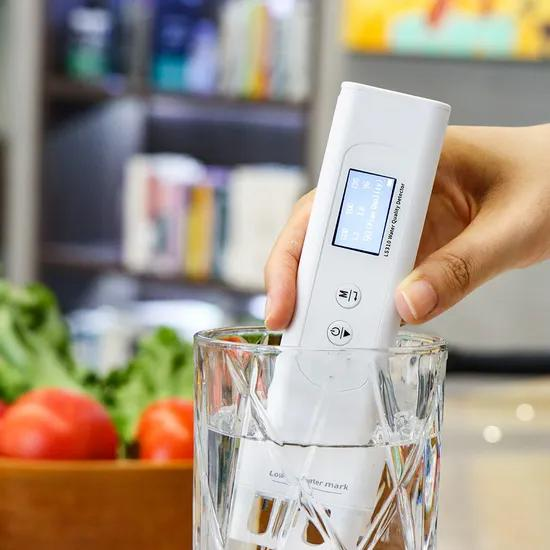
This creates an interesting opportunity for portable water quality testers. These compact electronic devices can measure selected water characteristics and provide readings within seconds. Instead of relying entirely on appearance, smell, or taste, households can use technology to obtain additional information about their water.
Could these small gadgets become useful tools for everyday Filipino families? Their potential goes beyond simple household convenience. They could also support community awareness, emergency preparation, and more responsible water management.
Why Water Quality Is Becoming a Bigger Issue in the Philippines
Water security is closely connected to daily life in the Philippines. Families need reliable water for drinking, cooking, washing, and cleaning. Restaurants, schools, hospitals, agricultural businesses, and small neighborhood stores also depend on consistent supplies.
Recent developments have highlighted the importance of preparing for water shortages.
In October 2026, the Department of Social Welfare and Development announced preparations to distribute portable water filtration kits to communities vulnerable to shortages associated with the anticipated El Niño conditions. The initiative includes systems that can be attached to ordinary buckets, allowing households to process collected water.
Meanwhile, the Department of Health issued a reminder on November 3 that people should not rely entirely on water filtration devices to guarantee drinking-water safety. Pretreatment, appropriate disinfection, and properly registered equipment remain important when dealing with contaminated water.
These developments demonstrate an important distinction: obtaining enough water is only one part of the challenge. Ensuring that the water is suitable for its intended use is equally important.
For households using private wells, rainwater collection systems, or alternative water sources, portable testing technology may provide another layer of information.
What Exactly Is a Portable Water Quality Tester?
A portable water quality tester is a compact electronic instrument designed to measure specific characteristics of a water sample.
Unlike traditional laboratory equipment, many handheld testers are lightweight and easy to carry. Some feature digital displays, waterproof housings, rechargeable batteries, and interchangeable sensors.
Depending on the model, a device may measure several parameters.
pH levels: This measurement indicates whether water is acidic, neutral, or alkaline. It is useful for understanding certain chemical characteristics of a water source.
Total dissolved solids (TDS): TDS readings estimate the concentration of dissolved substances in water. These may include minerals and salts.
Electrical conductivity: This measurement provides information about the ability of water to conduct electricity, which is influenced by dissolved ions.
Temperature: Water temperature can affect chemical reactions and certain biological processes, making it a useful measurement during water monitoring.
Turbidity: Some specialized devices measure how cloudy water is because of suspended particles.
More advanced multiparameter instruments can combine several sensors in one portable unit. Users can place the probe into a prepared sample and view the results on a digital screen.
However, these measurements do not identify every possible contaminant. A basic TDS meter, for example, cannot establish whether water is free from harmful bacteria, viruses, or toxic chemicals. Laboratory testing remains necessary for determining microbiological and other specific safety concerns.
Could Every Filipino Household Have Its Own Water Testing Gadget?
Imagine a family in Quezon City receiving water from a household storage tank. During a particularly hot month, they notice that their water supply has changed slightly.
Instead of immediately assuming that everything is normal, they decide to check certain water characteristics using a portable electronic tester.
The device provides readings for selected parameters, allowing the family to identify whether further investigation may be necessary.
This is one possible application of household water testing technology.
For families who regularly purchase purified water, portable testers may also help them understand selected differences between water samples. However, a low TDS reading does not automatically mean that one water source is safer than another.
The appeal of these gadgets is their accessibility. They are generally smaller than laboratory instruments and can be used without transporting every sample to a testing facility for basic measurements.
As consumer electronics become increasingly connected, future versions could also include smartphone applications, automatic data recording, and easy-to-understand measurement histories.
Rather than looking at one isolated reading, households could compare measurements over time and recognize unusual changes that deserve professional attention.
How Smart Sensors Could Help Communities Monitor Water Sources
The potential of portable testing devices becomes even more interesting when the technology is used beyond individual homes.
In rural communities, shallow wells and communal water sources can serve multiple households. If a source becomes contaminated, the effects may reach many residents.
Iloilo City provides a relevant example of why regular monitoring matters. In November 2026, local authorities discussed additional laboratory testing of shallow wells across 25 barangays as concerns about water scarcity increased.
The proposed assessment covers more than 1,000 shallow wells. Officials also raised concerns about possible contamination and saltwater intrusion in coastal communities.
This situation demonstrates why water monitoring cannot depend entirely on occasional visual inspections.
Portable multiparameter instruments could help trained environmental personnel collect preliminary information from different locations. Instead of transporting every basic measurement device from one office to another, field workers could carry compact instruments directly to wells, rivers, and other water sources.
Some professional devices can also store measurements for later comparison. This makes it easier to document changes across locations and identify areas that may require additional laboratory investigation.
For barangay officials, schools, and community organizations, accessible testing technology could become a useful addition to broader water-management activities.
The Technology Behind These Small Electronic Devices
Although portable water testers may look simple, their operation depends on several electronic components working together.
Sensors collect information from the water sample. Internal circuits process the signals, while a microcontroller converts the measurements into numerical readings that appear on the display.
More advanced models may include Bluetooth connectivity, data storage, automatic calibration reminders, and mobile application support.
Power management is another important part of the design.
A portable instrument needs a dependable energy source to operate its sensors, screen, processor, and wireless communication features. This is particularly important when testing takes place outdoors, far from convenient electrical outlets.
A suitable test equipment battery helps keep these instruments operational during field measurements. Depending on the device design, manufacturers may use rechargeable lithium-ion batteries or replaceable battery systems.
Battery capacity, charging convenience, and operating temperature can influence how practical a tester is for regular fieldwork.
For technicians moving between several water sources, reliable power means fewer interruptions during measurement sessions. It also makes portable instruments more useful in areas where electricity access is limited.
Why Battery Performance Matters During Field Testing
The Philippines has diverse geographical conditions. Water monitoring may take place in crowded urban neighborhoods, agricultural areas, coastal villages, mountainous communities, or isolated islands.
These environments create different challenges for electronic equipment.
A field worker inspecting a rural well may spend several hours collecting samples. Another technician may need to travel between multiple community water facilities in one day.
In these situations, equipment that runs out of power too quickly can interrupt the work.
A dependable test equipment battery supports continuous operation and helps ensure that electronic measurement instruments remain available when needed.
Manufacturers must also consider how their devices perform in humid and hot environments. Waterproof construction, protective cases, secure battery compartments, and appropriate temperature management can all contribute to equipment reliability.
Charging options matter as well. USB charging can be convenient for technicians who carry portable power banks, while replaceable batteries may offer flexibility during longer assignments.
However, users should always select batteries that match the instrument manufacturer’s voltage, capacity, connector, and safety requirements. An incompatible battery can damage equipment or create unnecessary risks.
From Simple Measurements to Smartphone Connectivity
One particularly exciting possibility is the combination of water testing instruments and smartphone technology.
Many Filipinos already use smartphones to communicate, access online services, navigate unfamiliar locations, and manage household activities.
Connecting a water tester to a mobile application could make measurement records easier to understand and organize.
For example, a future application might allow users to:
- Save water measurements with dates and locations.
- Compare readings from different household water sources.
- Receive reminders to calibrate their instruments.
- Export measurement records for environmental professionals.
- Share preliminary results with community monitoring teams.
Some advanced monitoring systems could also connect to cloud platforms, allowing authorized users to review information collected from several locations.
This technology could be particularly useful for environmental organizations and local government units managing multiple water sources.
However, connected equipment must also be designed with cybersecurity and data privacy in mind. Location information and household records should not be shared without appropriate permission.
Can Portable Water Testers Help During Typhoons and Flooding?
Natural disasters make water management especially challenging in the Philippines.
Heavy rainfall and flooding can affect household water storage, wells, drainage systems, and distribution infrastructure. After a major storm, residents may encounter water that looks different from what they normally use.
A portable testing instrument could help trained personnel conduct preliminary assessments of certain water characteristics.
For example, turbidity measurements may indicate that a sample contains more suspended particles than expected. Changes in conductivity or other parameters may also provide useful clues about differences in water composition.
Nevertheless, testing equipment should never replace official safety instructions.
Floodwater can contain sewage, chemicals, microorganisms, and other dangerous contaminants. A portable meter cannot automatically confirm that flood-affected water is safe to drink.
Families should follow guidance from local health authorities, use approved treatment methods, and obtain laboratory testing when necessary.
This distinction is particularly important because a sample can produce normal readings for some parameters while still containing harmful microorganisms.
The most useful approach combines reliable instruments, proper water treatment, and professional assessment.
Opportunities for Schools, Small Businesses, and Local Communities
Portable water testing technology could also find applications outside residential households.
Schools could introduce basic water monitoring activities as part of science education. Students could learn how pH, conductivity, and temperature influence water characteristics while developing a better understanding of environmental protection.
Small restaurants and food businesses may also benefit from improved awareness of their water sources. Clean water is important for food preparation, washing ingredients, and maintaining kitchen hygiene.
Water refilling stations represent another relevant area. Although professional laboratory analysis is essential for demonstrating compliance with applicable drinking-water standards, portable instruments can support selected operational checks.
Local environmental organizations could use field equipment during river monitoring activities, while agricultural communities could measure certain water characteristics before using water for irrigation.
These applications create opportunities for affordable electronic instruments designed specifically for everyday field conditions.
For equipment manufacturers and distributors, the Philippine market offers an interesting combination of household demand, environmental monitoring needs, agricultural applications, and disaster-preparedness activities.
What Should Buyers Look for Before Purchasing a Water Tester?
Not every portable tester is suitable for every purpose.
Before purchasing a device, Filipino consumers should consider several factors.
1. Measurement capabilities
Buyers should first identify which parameters they actually need to measure. A simple TDS meter is different from a multiparameter instrument designed to measure pH, conductivity, dissolved oxygen, and other characteristics.
2. Accuracy and calibration
Reliable measurements depend on proper calibration and maintenance. Consumers should check whether the manufacturer provides calibration instructions and suitable reference solutions.
3. Waterproof protection
Because water testing involves liquids and sometimes outdoor environments, protective construction is valuable. However, buyers should understand the actual waterproof rating rather than assuming every device can be submerged.
4. Battery life
A device intended for frequent fieldwork should have sufficient operating time. Charging requirements, replacement battery availability, and charging convenience are also worth considering.
5. Replacement sensors and accessories
Sensors may require cleaning, maintenance, or replacement. Checking the availability of compatible accessories can prevent unnecessary expenses later.
6. Professional testing support
Most importantly, consumers should understand the limitations of their instruments. When drinking-water safety is in question, appropriate laboratory analysis and guidance from qualified authorities remain essential.
A second test equipment battery may be useful for certain professional instruments that support interchangeable power systems, but buyers should always follow the manufacturer’s specifications.
The Future of Water Monitoring in the Philippines
As water security becomes a more visible concern, portable electronic testing devices could play a growing role in how Filipino communities understand their water supplies.
The technology does not need to replace laboratories or professional water treatment systems to be valuable. Its greatest advantage may be making selected measurements more accessible to people who need timely information.
Future devices could become smaller, more affordable, and easier to connect to smartphones. Better sensors and improved data-management features may also help environmental teams monitor water sources more efficiently.
The Philippine government’s growing attention to water shortages, filtration systems, and community-level preparedness provides a relevant setting for these developments.
There is also room for more localized innovation. Equipment designed for tropical conditions, frequent transportation, and limited access to charging facilities could be particularly useful for island communities and rural monitoring teams.
Reliable power will remain part of that development. A well-designed test equipment battery can support portable operation, allowing measurement devices to travel wherever field testing is needed.
A Small Gadget With a Potentially Important Role
Portable water quality testers may not look as exciting as smartphones, gaming devices, or artificial intelligence gadgets. Yet their practical value could be significant.
For Filipino households, they offer another way to understand selected characteristics of everyday water supplies. For schools and community organizations, they can make environmental education and preliminary monitoring more accessible. For professional technicians, they provide convenient tools for field measurements.
Still, no small electronic device can guarantee drinking-water safety on its own. Proper treatment, reliable laboratory testing, and public-health guidance remain essential.
As the Philippines faces changing weather conditions and growing pressure on water resources, the combination of portable sensors, connected electronics, and dependable power systems could become an increasingly important part of everyday water management.
Sometimes, the most useful technology is not the gadget with the biggest screen or the most impressive features. It is the small device that helps people make better decisions about something they use every single day: water.