The Future of Filipino Street Food Could Be More High-Tech Than We Imagine
Imagine walking through a busy street in Manila after work. The smell of freshly grilled barbecue fills the air, vendors are preparing sizzling kwek-kwek, and customers are lining up for their favorite fish balls with sweet, spicy, or vinegar-based sauces. It is a familiar Filipino scene, but something looks different. Instead of preparing every order manually, a street food vendor is using a compact smart machine to organize orders, monitor cooking times, and accept digital payments.
Could this become the future of street food in the Philippines?
Street food is more than a convenient way to grab an affordable meal. It is part of everyday Filipino life, connecting neighborhoods, students, office workers, commuters, and families. From the famous isaw stalls outside residential streets to busy food carts near transport terminals, small vendors help make local communities lively.
However, running a street food business is not always easy. Long queues, unpredictable customer demand, limited space, and manual payment processing can make busy hours stressful. Smart machines could offer a fresh solution, helping vendors serve more people without losing the personal touch that makes Filipino street food special.
Why Filipino Street Food Vendors Need Smarter Tools
Street food businesses often operate in crowded locations where every minute matters. A vendor selling grilled chicken intestines or fried snacks may receive several orders at once. One customer wants extra sauce, another requests a different portion, and someone else is waiting to pay through an e-wallet.
Managing everything simultaneously can become overwhelming.
The challenge is particularly noticeable during lunchtime, after school, and in the evening when workers return home. Popular stalls can attract dozens of customers within a short period. If orders are prepared in the wrong sequence or payments are difficult to track, customers may become impatient and move to another stall.
Technology does not necessarily need to replace traditional vending methods. Even a simple digital ordering screen, a compact electronic timer, or an automated payment system could make daily operations more organized.
A small tablet could display incoming orders, show preparation priorities, and help vendors keep track of sales. Devices equipped with a reliable tablet battery could also allow vendors to manage orders without constantly searching for an electrical outlet.
For mobile vendors who move between different selling locations, portability is especially important.
Smart Ordering Machines Could End Long Queues
One of the most exciting possibilities is the introduction of smart ordering machines designed specifically for small food businesses.
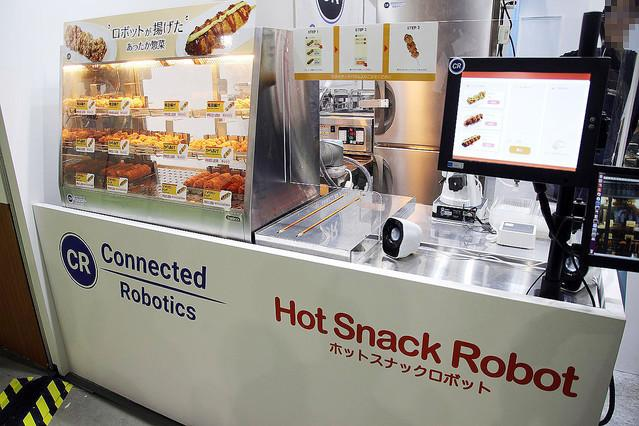
Instead of shouting orders across a crowded stall, customers could select their preferred snacks from a touchscreen menu. The screen might display available products, prices, serving sizes, and additional options.
Imagine ordering a combination of fish balls, squid balls, and kwek-kwek through a simple digital interface. Customers could choose their sauces, confirm their orders, and receive a number indicating when their food is ready.
The vendor would receive the order immediately, reducing confusion and unnecessary conversations during peak hours.
For example, a smart ordering system could automatically organize orders according to preparation time. Fried snacks requiring only a short cooking period could be grouped together, while grilled items could be prepared separately.
This would be particularly useful around university campuses, office districts, and busy transport areas in Metro Manila.
However, the technology should remain affordable and easy to operate. Many street food vendors do not have the budget or technical experience required to install complicated restaurant systems. A simple touchscreen with large icons and clear instructions would be much more practical than an expensive commercial setup.
Can Smart Cooking Machines Prepare Filipino Favorites?
Ordering is only one part of the experience. Cooking equipment could also become smarter.
Picture a compact machine that helps prepare kwek-kwek by monitoring oil temperature and cooking duration. Another device could automatically rotate skewers to maintain more consistent grilling. A smart dispenser might even measure the correct amount of sauce for each serving.
These technologies could help reduce repetitive tasks and make food preparation more consistent.
For Filipino vendors, popular snacks offer plenty of opportunities for experimentation. Fish balls, squid balls, cheese sticks, turon, and fried banana are all familiar products that could benefit from better temperature monitoring and preparation tools.
A smart fryer, for example, could alert the vendor when oil reaches a selected temperature. A digital timer could indicate when a batch should be removed. Meanwhile, sensors could help monitor equipment conditions and reduce the risk of overheating.
Nevertheless, machines cannot replace human judgment entirely. Vendors still need to check food quality, freshness, texture, and appearance.
After all, customers do not visit a street food stall simply because a machine can fry something quickly. They return because they enjoy the taste, the familiar atmosphere, and the vendor who remembers their favorite order.
Digital Payments Could Make Every Transaction Easier
Another important development is the growing use of digital payments in the Philippines.
Cash remains useful for everyday purchases, especially at small neighborhood stalls. However, e-wallets and QR payments have created additional options for customers who prefer not to carry large amounts of cash.
GCash and other digital payment services are already familiar to many Filipino consumers. The Bangko Sentral ng Pilipinas and the Department of the Interior and Local Government have also promoted the Paleng-QR Ph program to encourage cashless transactions among public market vendors, community businesses, and transport operators.
For street food vendors, this creates an interesting opportunity.
A smart ordering machine could display a QR code after the customer confirms an order. The customer scans it, completes the payment, and receives confirmation. The vendor can then focus on preparing the food rather than repeatedly counting change.
Imagine a busy street food stall near a university. During a short break, students could order and pay quickly, collect their snacks, and return to class without spending too much time waiting.
Some newer payment solutions even allow eligible smartphones to accept contactless payments, potentially reducing the need for dedicated payment terminals.
Of course, vendors should still provide cash options. Internet connectivity, transaction delays, and customers’ payment preferences can vary from one location to another.
Portable Tablets Could Become the Vendor’s Digital Assistant
Perhaps the most practical device in this future street food setup would be a portable tablet.
Unlike a large computer system, a tablet can fit on a small counter or inside a compact food cart. It could function as an ordering terminal, sales tracker, inventory manager, and communication device.
A vendor might use it to check which ingredients are running low, record daily sales, and review which snacks are selling fastest.
For example, if banana-based snacks sell particularly well on rainy afternoons, the vendor could use previous sales records to prepare an appropriate quantity of ingredients.
The device could also help mobile vendors inform regular customers about their location and operating hours. This is especially interesting in communities where food carts move between residential streets, schools, and commercial areas.
A dependable tablet battery would be important because outdoor food stalls may not always have convenient access to electricity. A portable device that stays operational throughout a working shift would be much more useful than one that constantly needs recharging.
Vendors could also use tablets to communicate with suppliers, check ingredient prices, and maintain simple digital records.
In this situation, technology becomes less like an expensive luxury and more like a practical business assistant.
Could Smart Machines Help Reduce Food Waste?
Food waste is another issue that small vendors must manage carefully.
Preparing too much food can lead to unsold products at the end of the day. Preparing too little can disappoint customers and reduce potential earnings.
Smart inventory systems could help vendors make better decisions.
A basic digital platform could record how many servings of each product are sold throughout the day. Over time, the system might identify patterns, such as higher demand during Friday evenings or lower sales during heavy rain.
More advanced systems could connect sales information with ingredient inventory.
For example, if a vendor sells 100 portions of fish balls during a busy afternoon, the system could estimate how much stock remains and indicate when another purchase may be necessary.
This could be particularly useful for vendors who have limited storage space and cannot afford to purchase excessive ingredients.
Some systems might even provide simple recommendations based on previous sales. Instead of relying entirely on memory, vendors could make decisions using actual business records.
Still, the system should remain flexible. Philippine weather, school schedules, community celebrations, and local events can change customer demand unexpectedly.
Smart Street Food Machines Must Survive Philippine Conditions
Although the idea sounds exciting, bringing smart machines into Filipino street food businesses would require practical engineering.
The Philippines has a tropical climate, with heat, humidity, and frequent rainfall affecting outdoor operations. Devices used near cooking stations may also encounter grease, steam, splashes, and dust.
A touchscreen that works perfectly inside an air-conditioned office might not perform as well beside a hot fryer.
Manufacturers would therefore need to design equipment with durable screens, protective enclosures, and easy-to-clean surfaces.
Power supply is another important consideration. Not every vendor has access to a convenient electrical outlet, particularly those operating mobile carts or temporary stalls.
Energy-efficient devices, rechargeable power systems, and compact solar-powered solutions could offer useful alternatives.
For portable ordering equipment, a dependable tablet battery would help maintain operations when access to electricity is limited.
Connectivity also matters. Some locations have excellent mobile internet, while others experience inconsistent signals. Smart ordering systems should ideally support offline order recording and synchronize information once the connection returns.
This would allow vendors to continue serving customers even when the internet temporarily disappears.
Could Technology Improve Food Safety?
Speed is important, but food safety should never be sacrificed for faster service.
Smart equipment could help vendors monitor certain conditions during food preparation and storage.
Digital thermometers could measure cooking temperatures, while temperature sensors could monitor refrigerated ingredients. Timers could remind workers when food has remained at a particular preparation station for too long.
Digital checklists could also help vendors remember routine cleaning tasks.
These features would be useful in a country where street food is widely accessible and enjoyed by people from different backgrounds.
However, technology is not a substitute for proper hygiene practices. Vendors still need clean utensils, safe water, appropriate food storage, and regular handwashing.
The best smart food equipment would make these responsibilities easier to manage rather than creating a false sense of security.
Will Customers Actually Enjoy Ordering from Machines?
One interesting question is whether Filipino customers would welcome more automated street food stalls.
Some people might love the convenience of touchscreen ordering, especially when they are rushing to work or school. Others may prefer speaking directly with vendors, asking questions, and requesting small changes to their orders.
This difference is important.
Street food is often a social experience. A customer might stop for a quick snack and end up chatting with the vendor about the weather, local events, or neighborhood news.
An entirely automated stall could lose some of that personality.
A better approach would be a hybrid system. Customers could order through a screen when they want speed or speak directly with the vendor when they prefer a personal interaction.
Technology should make the experience more convenient without removing the friendly atmosphere that makes Filipino street food memorable.
What Could the Future Street Food Stall Look Like?
Imagine a small food cart in Quezon City five years from now.
A compact touchscreen displays the menu. A digital payment system accepts QR transactions. A smart fryer monitors cooking temperature, while a small inventory application tracks ingredient usage.
The vendor can check incoming orders without constantly asking customers to repeat themselves.
Nearby, a student scans a QR code, orders a serving of kwek-kwek, and receives a notification when the food is ready. A commuter picks up a barbecue meal without having to wait in a long queue.
Meanwhile, the vendor checks the day’s sales and prepares enough ingredients for the evening rush.
This scenario may sound futuristic, but several of its individual components already exist. Research into online vending systems in Metro Manila and digital operations platforms for small Philippine food businesses shows that technology can be adapted to the realities of street vending.
The real challenge is making these tools affordable, durable, and simple enough for everyday use.
A Smarter Future Should Keep the Filipino Street Food Spirit Alive
Street food vendors are an important part of the Philippines’ everyday economy and cultural identity. Their stalls bring people together, provide affordable meals, and create small business opportunities in communities across the country.
Smart machines could help these businesses become more organized, improve ordering experiences, reduce repetitive work, and make digital payments easier.
But the future should not be about replacing hardworking vendors with machines.
It should be about giving them better tools.
A smart fryer cannot recreate a vendor’s signature seasoning. A touchscreen cannot replace a familiar greeting. An automated ordering system cannot fully capture the excitement of discovering a favorite street food stall after a long day.
The most successful combination may be surprisingly simple: traditional Filipino recipes, friendly human service, and practical technology working together.
If smart machines can help vendors spend less time managing queues and more time creating delicious food, the result could be a welcome change for both small businesses and hungry customers.
Perhaps the next big innovation in Filipino street food will not come from a luxurious restaurant kitchen. It could begin with a modest food cart, a clever machine, and a vendor ready to serve the next customer faster.