A New Chapter for Manila’s Daily Commute
For millions of Filipinos, commuting is more than simply getting from one place to another. It is a daily calculation involving traffic, crowded stations, limited time, and the cost of transportation. In Metro Manila, where workers, students, vendors, and families depend on public transport, even a small improvement in the payment process could make a meaningful difference.
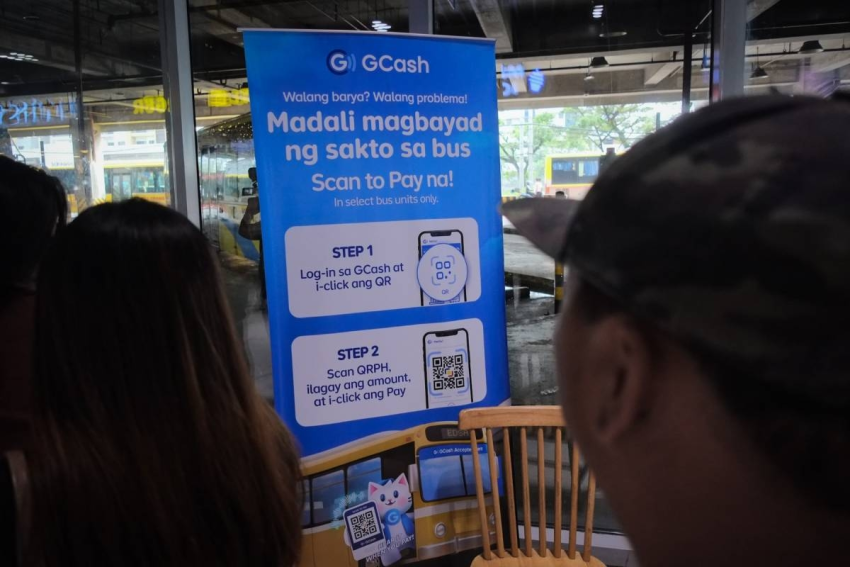
That is why the planned transition to cashless payments on the EDSA Busway deserves attention. On October 22, 2026, the Philippine News Agency reported that the Department of Transportation (DOTr) was targeting a fully cashless fare system by December. The proposed automated fare collection system could support stored-value cards and electronic wallets, including integration with platforms such as GCash.
The objective is straightforward: make fare payments faster, more convenient, and easier to manage. Authorities have also indicated that the transition should not increase fares or introduce additional convenience fees.
However, changing how passengers pay involves much more than introducing a QR code or installing a payment reader. It requires dependable hardware, accessible digital services, reliable connectivity, and systems that continue working during busy commuting periods.
For Manila commuters, the success of this transformation will ultimately depend on whether digital payments make everyday travel genuinely easier.
Why Cashless Payments Matter in the Philippines
The Philippines has become an increasingly important market for mobile financial services. Digital wallets allow consumers to transfer money, pay participating merchants, and complete transactions without carrying large amounts of cash.
For many Filipinos, these services are already part of ordinary life. A customer may use a digital wallet to order food, pay a utility bill, purchase groceries, or send money to a family member. Extending similar convenience to public transportation is a logical next step.
The EDSA Busway is particularly significant because it serves commuters traveling through some of Metro Manila’s busiest areas. Payment delays can add unnecessary friction to an already demanding journey.
Consider a worker boarding a bus during the morning rush. If several passengers need to prepare exact change, the boarding process can become slower. A well-designed electronic payment system could reduce these interruptions by allowing passengers to use supported cards or digital wallets.
The benefits could extend beyond individual journeys. Faster transactions may help operators manage passenger flows, while digital records could make fare collection and financial reconciliation easier.
Nevertheless, cashless technology should complement practical transport improvements rather than replace them. Commuters still need safe stations, clear instructions, accessible facilities, and reliable buses.
How an Automated Fare Collection System Could Work
An automated fare collection system typically combines payment readers, transaction-processing software, communication networks, and a method for recording fares.
Depending on the final design, passengers could pay through a stored-value card, a supported electronic wallet, or another approved payment method. A reader would capture the transaction, verify the payment through the relevant system, and provide confirmation.
The details matter. A payment method that works at a railway station may not automatically work on every bus or at every loading kiosk. Different providers must be able to communicate securely and consistently.
This is why interoperability is such an important part of the proposed EDSA Busway transition. If commuters can use several supported payment options across participating services, they will have greater flexibility and less reason to maintain multiple accounts or cards.
The Department of Transportation has also emphasized the importance of loading kiosks at Busway stations. These facilities could help passengers add funds to stored-value cards and access supported digital payment services.
For occasional travelers, tourists, and people who do not regularly use digital wallets, accessible payment and loading facilities could make the transition less intimidating.
The best system will not necessarily be the one with the most sophisticated technology. It will be the one that works consistently for the widest range of passengers.
The Small Devices Behind Every Digital Payment
Passengers usually see only the screen, QR code, or payment card involved in a transaction. Behind that simple interaction, however, a network of electronic components must work together.
Payment terminals need processors to handle transaction instructions, displays to present information, communication modules to connect with payment services, and secure components to protect sensitive data. Portable units also require dependable power.
In a busy transport environment, this last requirement can easily be overlooked. A terminal that loses power during a peak commuting period may prevent an otherwise valid payment from being completed.
The importance of a POS terminal battery becomes clearer when payment equipment is deployed at station kiosks, temporary service counters, or other locations where uninterrupted access to electricity cannot always be assumed. Depending on the equipment design, a suitable replacement battery can help restore a portable terminal’s operating capability when its existing battery deteriorates.
Not every automated fare collection system relies on battery-powered terminals. Some readers are connected directly to fixed electrical supplies, while others use rechargeable batteries or backup power arrangements. The appropriate design depends on the equipment, installation, and operational requirements.
For transport operators, the practical priority is to ensure that the entire payment process remains dependable. That means selecting suitable equipment, following maintenance schedules, checking power supplies, and having contingency procedures for unexpected failures.
Can Digital Payments Reduce Queues?
One of the strongest arguments for cashless public transportation is the potential to shorten payment delays.
When passengers can complete transactions quickly, drivers and station personnel may spend less time handling cash or resolving payment-related questions. This could be particularly valuable at busy locations where large numbers of people board within a short period.
However, cashless payment does not automatically guarantee faster boarding.
A slow network connection, an unresponsive reader, a confusing interface, or an unfamiliar payment process can create new delays. If passengers must repeatedly scan a code or wait for a transaction confirmation, the digital system may offer little improvement over cash.
Successful implementation therefore requires more than installing devices. Operators should test the system during realistic commuting conditions, including morning and evening rush hours.
Clear signs should explain how to pay, which cards and wallets are accepted, and what passengers should do when a transaction fails. Staff should also be available to assist people who are unfamiliar with the technology.
The transition should be judged by measurable outcomes, such as transaction completion times, failed payments, queue lengths, and passenger feedback.
For commuters facing long journeys across Metro Manila, even modest improvements could make the daily experience less stressful.
GCash, Stored-Value Cards, and Financial Inclusion
A major consideration for the Philippine market is ensuring that different groups of passengers can access the new system.
Digital wallets are convenient for people who already have compatible smartphones and established accounts. Stored-value cards can provide another option for passengers who prefer not to use a phone for every journey.
Both methods have advantages, and offering multiple choices could help prevent the new system from excluding people who have different financial habits or access to technology.
For example, a student might prefer a rechargeable transit card, while an office worker might choose a supported mobile wallet. An occasional visitor could need a straightforward way to purchase or load a payment card without downloading an application.
Loading kiosks will be especially important in this context. They can provide a practical bridge between traditional cash-based habits and electronic payment services, subject to the final arrangements adopted by operators.
The system must also communicate clearly when a payment succeeds or fails. Passengers should not have to guess whether money has been deducted or whether they need to try again.
Accessible customer support, transparent transaction records, and straightforward refund procedures would help build trust.
Cashless transport should expand passenger choice rather than make a single payment method compulsory before people are ready.
Why Reliable Power and Maintenance Matter
A payment terminal may be physically small, but its failure can disrupt a much larger operation.
Imagine a busy station kiosk during the evening rush. Several commuters are waiting to load their cards, but the terminal stops responding because its power supply has failed. Staff may need to redirect passengers, explain the delay, and find an alternative way to complete transactions.
Such problems illustrate why maintenance planning should begin before a new payment system becomes operational.
Operators need to understand the power requirements of each device, how long portable units can operate between charges, and which components require scheduled inspection. They should also establish procedures for replacing faulty equipment without unnecessarily interrupting service.
When a portable reader uses a rechargeable POS terminal battery, its capacity, compatibility, charging requirements, and expected service life become relevant operational considerations. Choosing a replacement based only on physical appearance or a claimed capacity could lead to poor performance if the electrical specifications are unsuitable.
The same principle applies to chargers, cables, connectors, and other supporting components. Equipment should be maintained according to the manufacturer’s technical requirements, with appropriate attention to electrical safety.
A well-planned maintenance program can reduce unexpected interruptions and help operators control long-term operating costs.
Ultimately, commuters do not care whether a transaction depends on an efficient processor or a well-maintained power supply. They care that their payment works when they need it.
Digital Security Must Keep Pace With Convenience
Moving public transport payments online introduces security considerations that cannot be ignored.
Digital transactions can reduce the need to handle physical cash, but they also depend on software, communication networks, account security, and the correct processing of payment information.
Transport operators and technology providers should ensure that systems use appropriate security controls, restrict access to sensitive information, and receive necessary software updates. Payment interfaces should clearly distinguish successful transactions from failed or incomplete attempts.
Passengers also need practical guidance. They should know how to recognize suspicious payment requests, protect their digital wallet credentials, and verify transactions through trusted channels.
Privacy deserves equal attention. Electronic fare systems may generate records of when and where transactions occur. Operators should explain what information is collected, why it is needed, how long it is retained, and how it is protected.
Security measures should be proportionate to the risks without making ordinary travel unnecessarily complicated.
For the public, confidence will depend on a combination of convenience, transparency, and evidence that the system can be trusted.
What Happens When the Internet or Electricity Fails?
Connectivity is another challenge for a payment system operating across a large and densely populated metropolitan area.
A digital wallet transaction may require communication with external services, while some card-based systems can support particular transactions through locally stored information. The exact capabilities depend on the system’s design and security rules.
If a connection becomes unavailable, operators need to know whether transactions can continue, whether devices can temporarily store approved records, and how outstanding transactions will be reconciled.
These questions should be addressed before full deployment, not after commuters encounter the first major disruption.
Backup arrangements may include redundant connectivity, appropriately designed power protection, spare terminals, and clearly defined procedures for temporarily unavailable services. Not every location requires the same solution, so equipment choices should reflect actual operating conditions.
Where portable devices are used, a dependable POS terminal battery may support continued operation during short interruptions to their normal power supply, provided the device is designed for battery operation. It cannot, by itself, solve a network outage or guarantee that an electronic transaction will succeed.
This distinction is essential: reliable payments require power, connectivity, functioning software, and a secure processing service to work together.
The system should also provide clear instructions for passengers when digital payment is temporarily unavailable. A contingency plan can prevent confusion and help maintain orderly boarding.
Lessons From Existing Railway Payment Systems
The Philippines does not have to start from scratch.
According to the Philippine Information Agency, automated fare collection is already used on LRT-2 and MRT-3. Depending on the line and supported arrangements, passengers can access different payment options, including stored-value cards, bank cards, electronic wallets, QR codes, and NFC-enabled devices.
These experiences provide useful reference points for the EDSA Busway initiative.
Transport authorities and operators can examine which payment methods are easiest to use, where passengers experience difficulties, and how loading facilities should be organized. They can also study transaction reliability, customer support needs, and procedures for handling payment disputes.
However, busway operations differ from railway environments. Station layouts, passenger movement, equipment installation, and operating responsibilities may require different solutions.
A pilot program could help identify these differences before the system is expanded. Feedback from drivers, station personnel, payment providers, and commuters would be particularly valuable.
The aim should not simply be to replicate an existing railway system. It should be to build a solution suited to the realities of bus travel in Metro Manila.
What Commuters Should Expect Next
The announced target of moving the EDSA Busway toward cashless fares by December 2026 gives operators a clear timetable to work toward. It does not mean every technical detail or implementation outcome should be assumed in advance.
Passengers should watch for official announcements identifying accepted payment methods, participating operators, loading locations, and the timing of any pilot program.
Before traveling, commuters may benefit from checking whether their preferred payment method is supported and whether they need to obtain or load a card. Keeping an alternative payment option available during the transition may also help avoid unnecessary inconvenience, subject to the rules in effect at the time.
Transport authorities, meanwhile, should communicate changes in simple language and provide enough time for passengers to become familiar with the system.
The most important measure of success will be everyday usability. A digital payment system should make it easier to board a bus, understand a fare, and resolve a problem—not create another obstacle in an already difficult commute.
A Smarter Payment System Starts With Reliability
The planned cashless transition on the EDSA Busway represents a meaningful opportunity to modernize public transportation in the Philippines. If implemented effectively, it could reduce payment friction, expand passenger choice, and support more consistent fare collection.
Yet the experience of commuters will depend on details that are easy to overlook: the clarity of instructions, the accessibility of loading kiosks, the reliability of communication networks, the security of transactions, and the condition of the equipment behind each payment.
The broader lesson extends beyond Manila. As digital services become more common in transport, retail, and other public-facing environments, dependable hardware and well-designed operational procedures become increasingly important.
For the EDSA Busway, the real achievement will not be the disappearance of cash alone. It will be a payment experience that works reliably for commuters with different devices, budgets, and levels of digital familiarity.
If authorities and operators can combine convenient payment options with strong maintenance, practical backup plans, and transparent communication, cashless fares could become more than a technological upgrade. They could become a small but meaningful improvement to the everyday lives of people who keep Metro Manila moving.